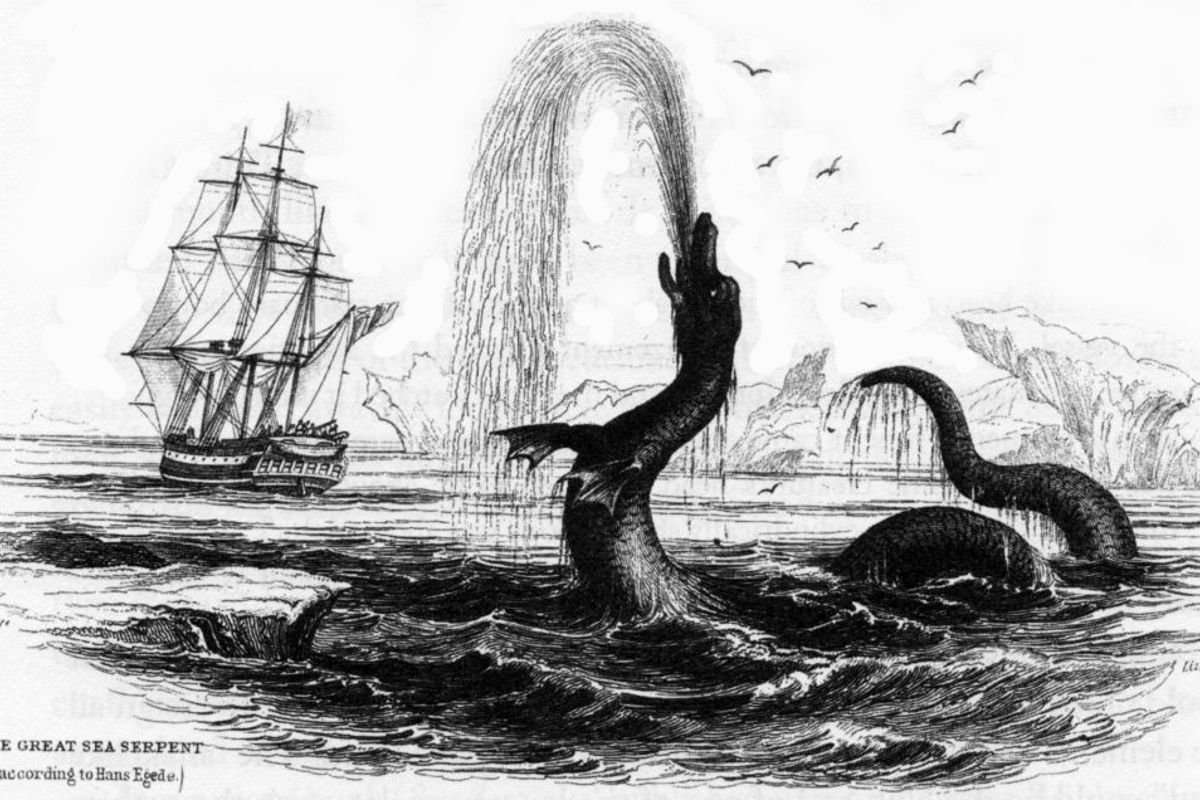
Bear Lake Monster
In 1868 a Mormon leader wrote that a giant serpent swam in Bear Lake on the Utah-Idaho line. He later called it a lie. People kept seeing it anyway.
Field records of the unexplained
Sightings, places and theories of the creatures science hasn't catalogued. Told the way witnesses told them, with what skeptics say right alongside.
Each number is a bundle of stories. Click one, or zoom in, and it splits into smaller bundles and then into single markers: gold for the famous cryptids, pale diamonds for hot spots, green for local legends. Over the United States, jump down to the state map for every local story.
★ Famous cryptid◆ Hot spot● Local legend● Proven hoax
Every state, province and country has its own creatures, most of them known only to the people who live there. Pick a map, click an area to zoom in, then click a marker for the story.
Investigated report Logged and followed up by an investigating group.On the record In a newspaper, police, government or court record, or from a named public witness.Told story Folklore, oral tradition or a story passed along.Proven hoax Proven or confessed hoax.
The creatures with the longest paper trail, from Bigfoot to the Beast of Gévaudan.
In 1868 a Mormon leader wrote that a giant serpent swam in Bear Lake on the Utah-Idaho line. He later called it a lie. People kept seeing it anyway.
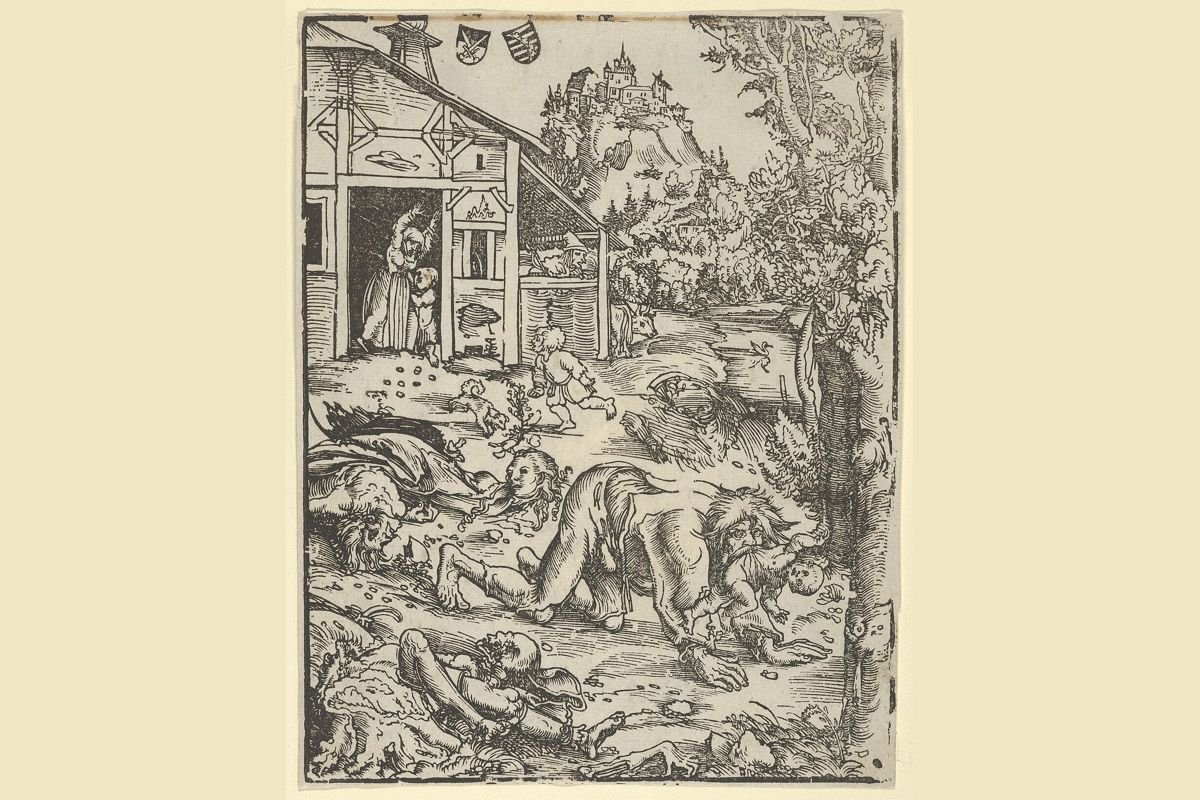
A quiet country road outside Elkhorn, Wisconsin, gave America its most famous werewolf. Witnesses describe a wolf-headed thing that kneels over roadkill and sometimes stands up on two legs.
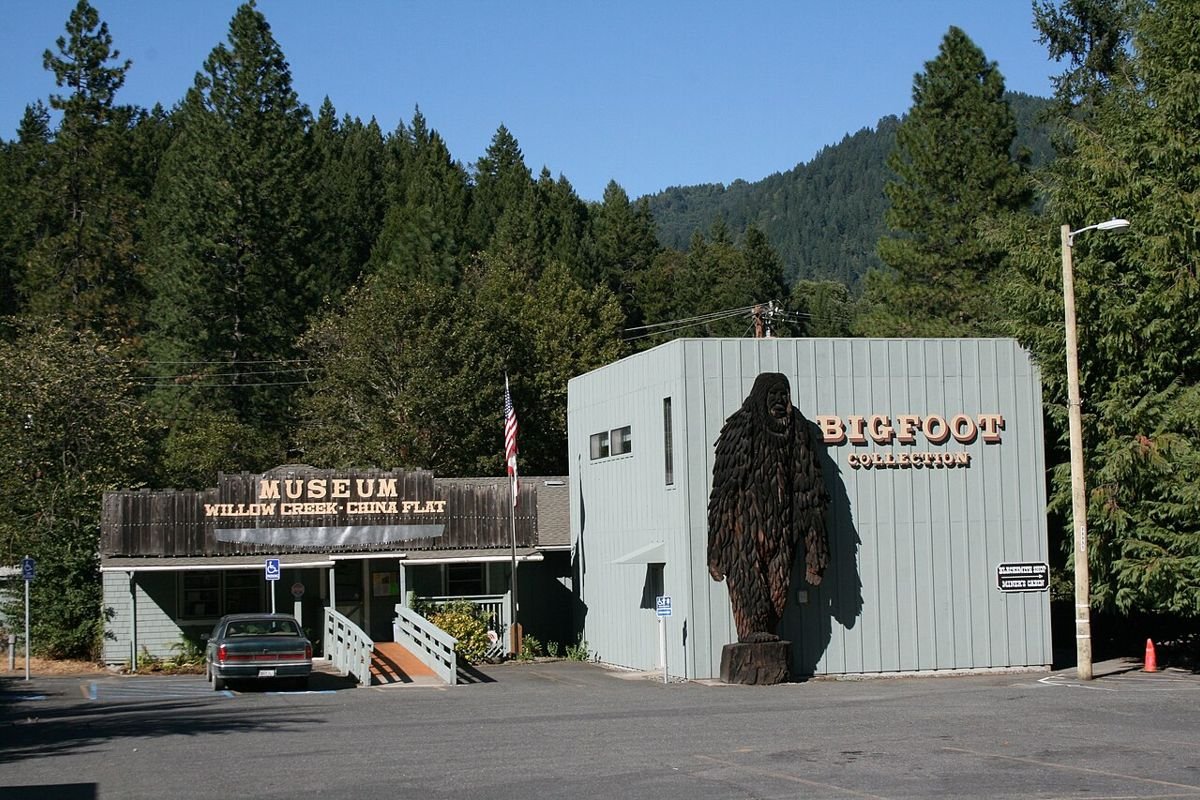
A tall, hair-covered figure walking upright through the forests of North America. More people say they have seen it than any other cryptid, and science has yet to find a body.
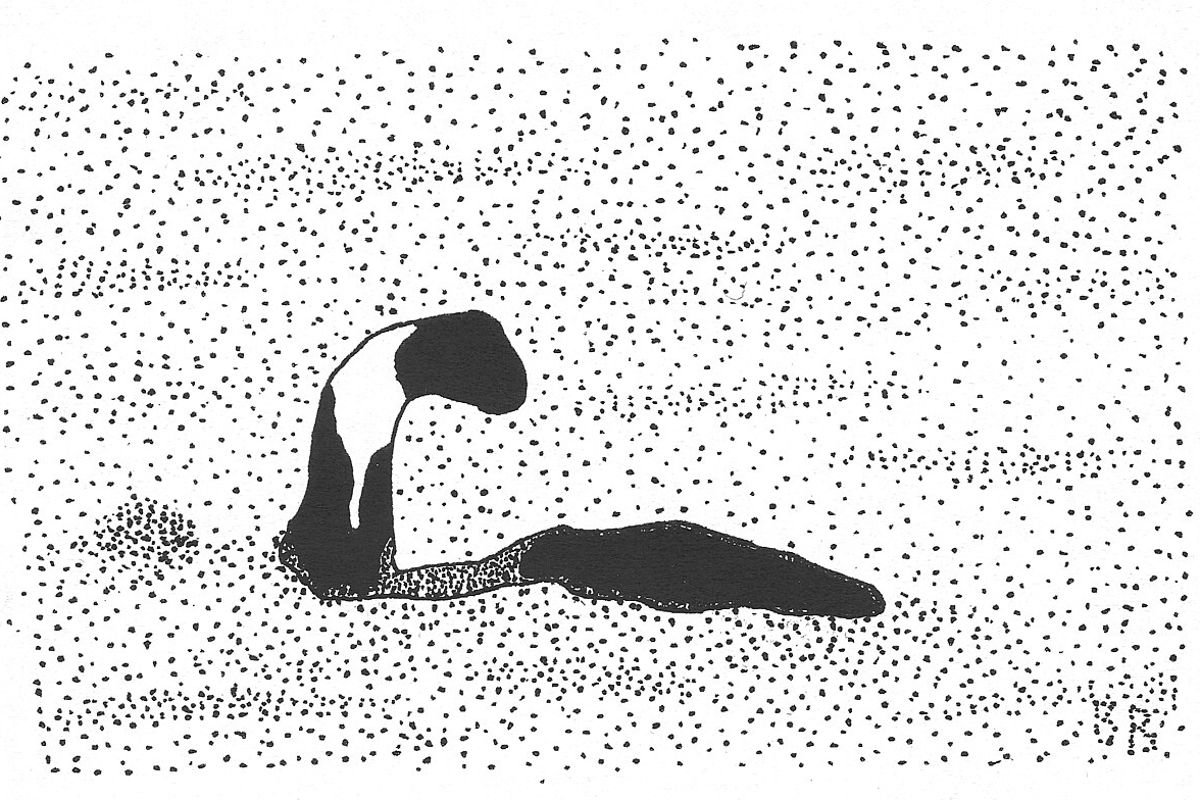
America's answer to Nessie, said to swim between New York, Vermont and Quebec. Even P.T. Barnum wanted its hide.
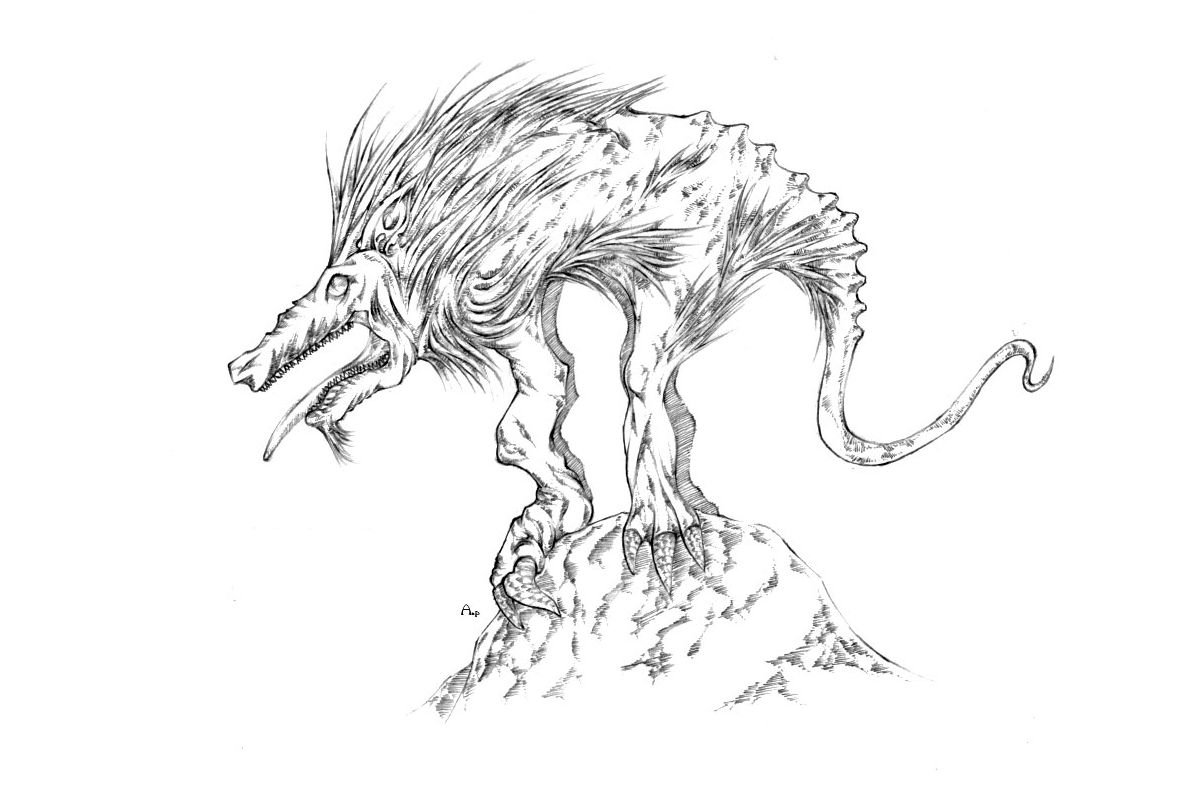
Dead goats with puncture wounds, a spiny creature seen in Puerto Rico, then hairless 'monsters' in Texas. The chupacabra is the youngest of the great cryptids, and it changed shape on the way north.
Three teenagers, two nights, one wealthy Boston suburb, and a pale creature with a watermelon head and glowing eyes. Then the sightings stopped.
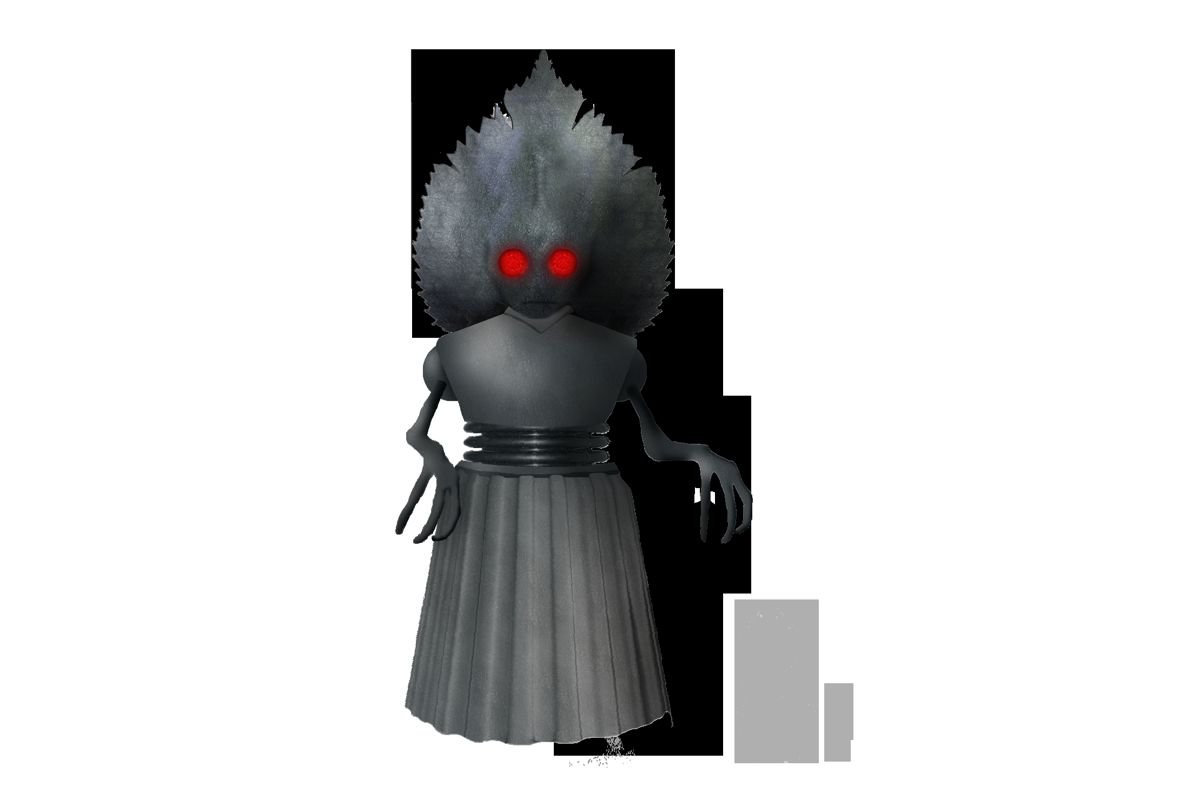
A light falls from the sky, a group of kids climbs a hill, and a flashlight beam finds a ten-foot figure with a glowing face. September 12, 1952 still has West Virginia talking.
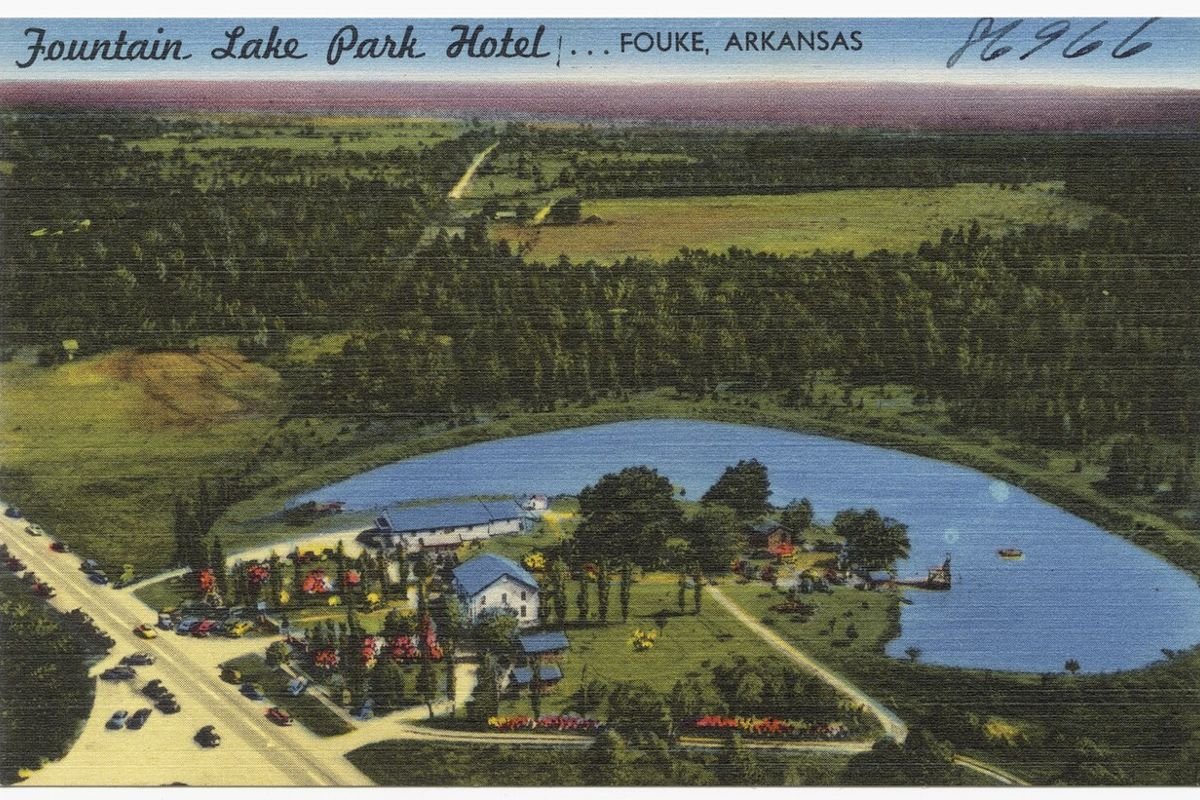
A hairy arm through a screen window on a spring night in 1971, and a small Arkansas town that became a movie set. The Boggy Creek legend helped invent the Bigfoot film.
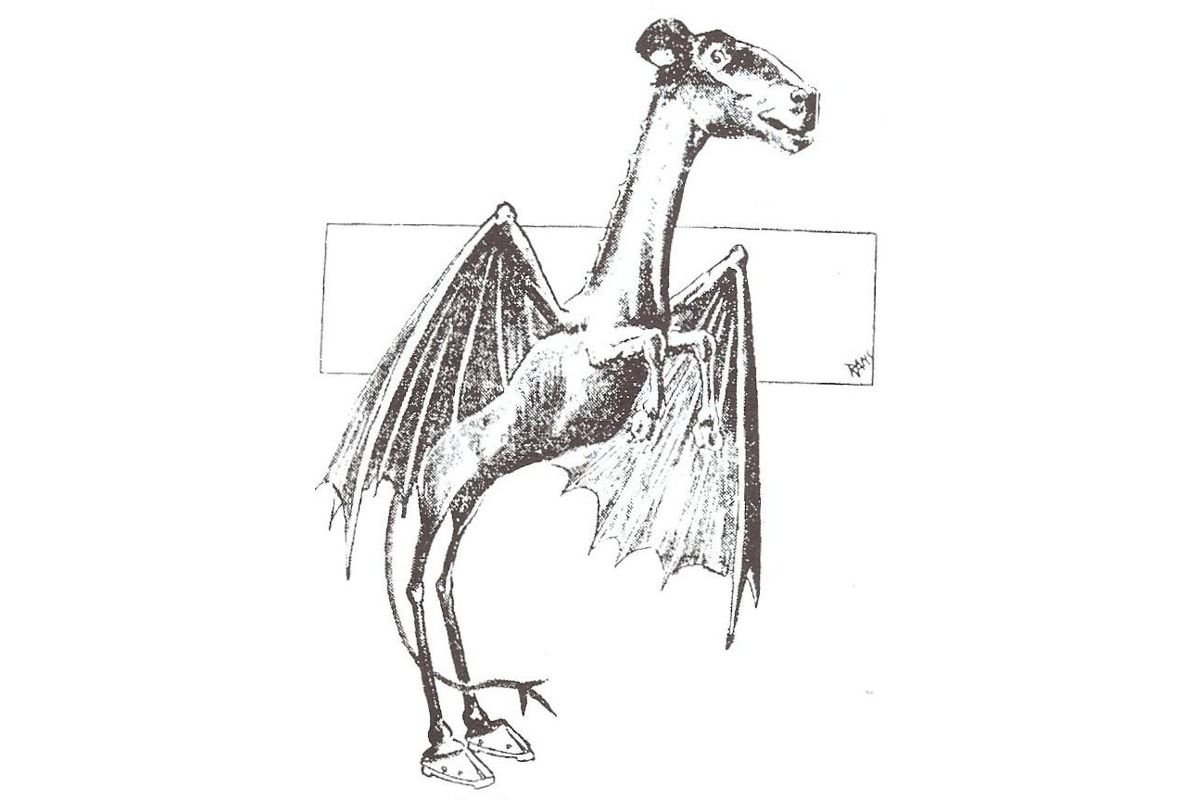
Legend says it was born the thirteenth child, cursed by its own mother, and flew off into the Pine Barrens. In one week of January 1909, reports of it closed schools across South Jersey.
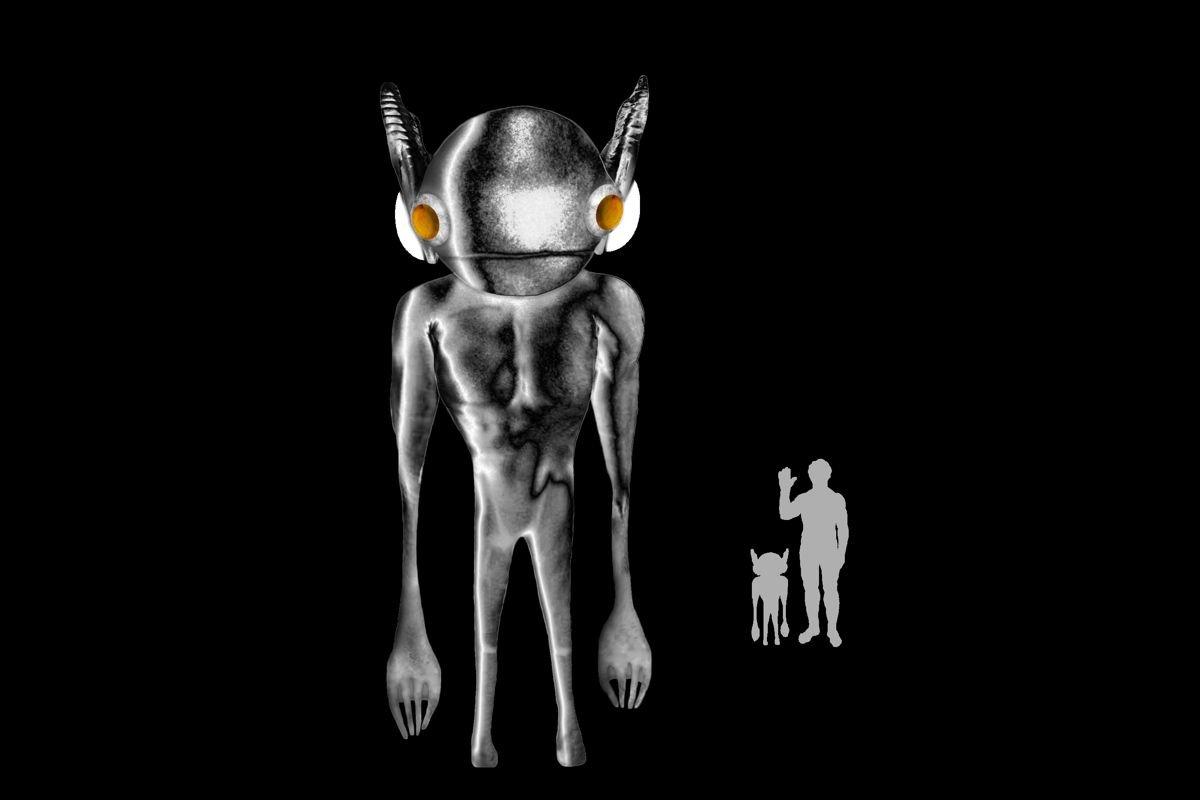
On an August night in 1955, two families in rural Kentucky said small glowing creatures besieged their farmhouse for hours. Gunfire, they said, just knocked them over.
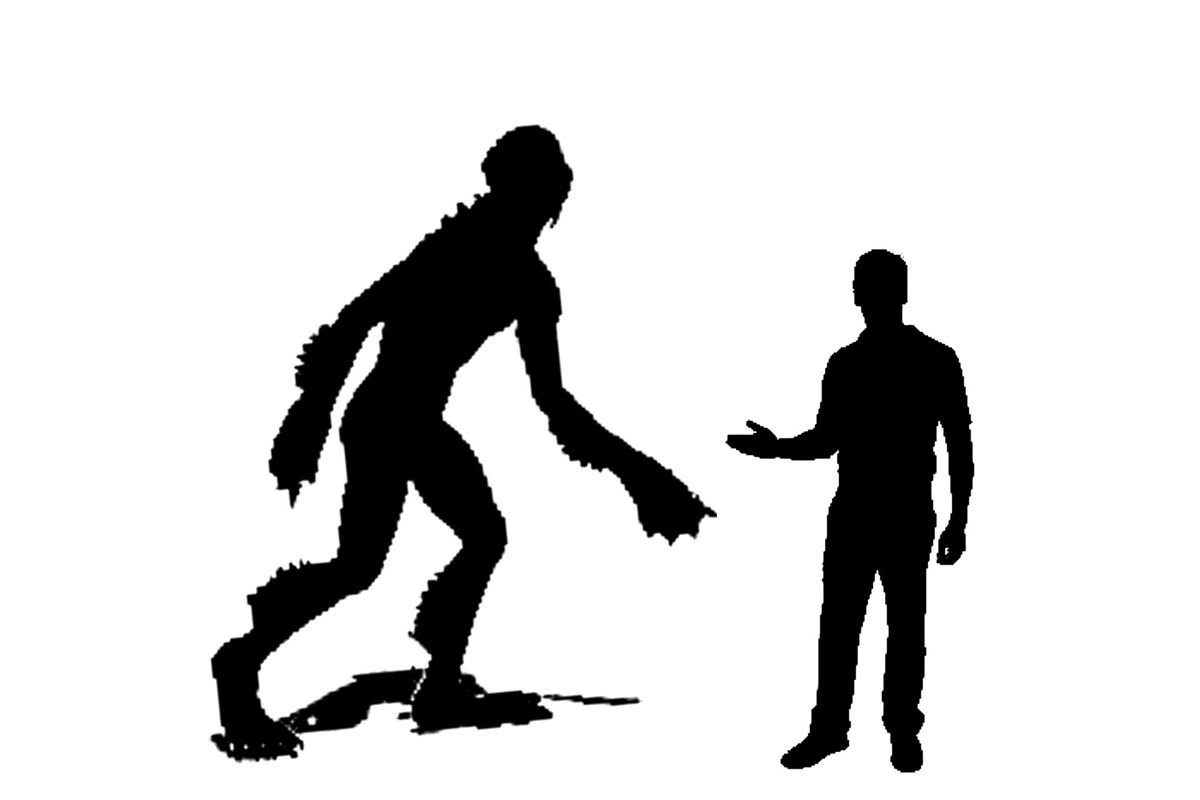
In the summer of 1988 a teenager said a seven-foot green thing with red eyes jumped on his car near a South Carolina swamp. Within weeks, the whole country knew the name Bishopville.
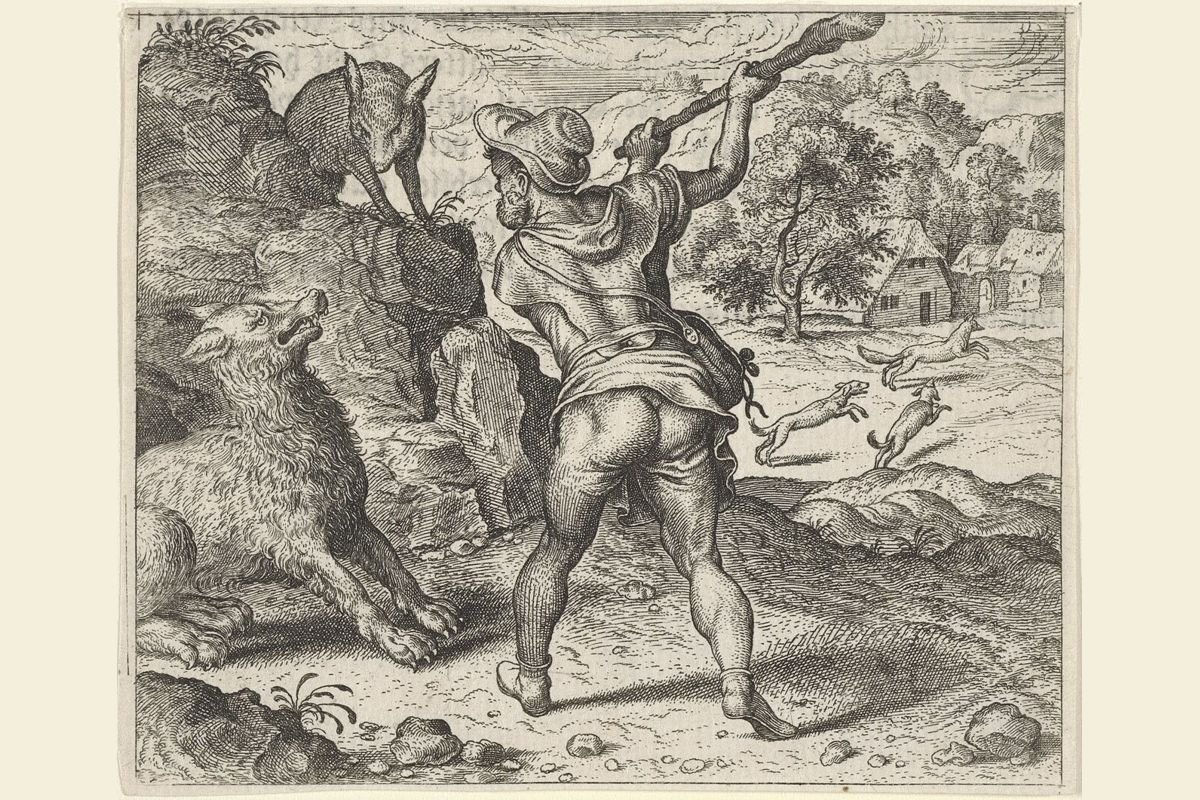
A man's body, a dog's head, and a howl like a human scream. A radio DJ's 1987 prank song turned out to have listeners with stories of their own.
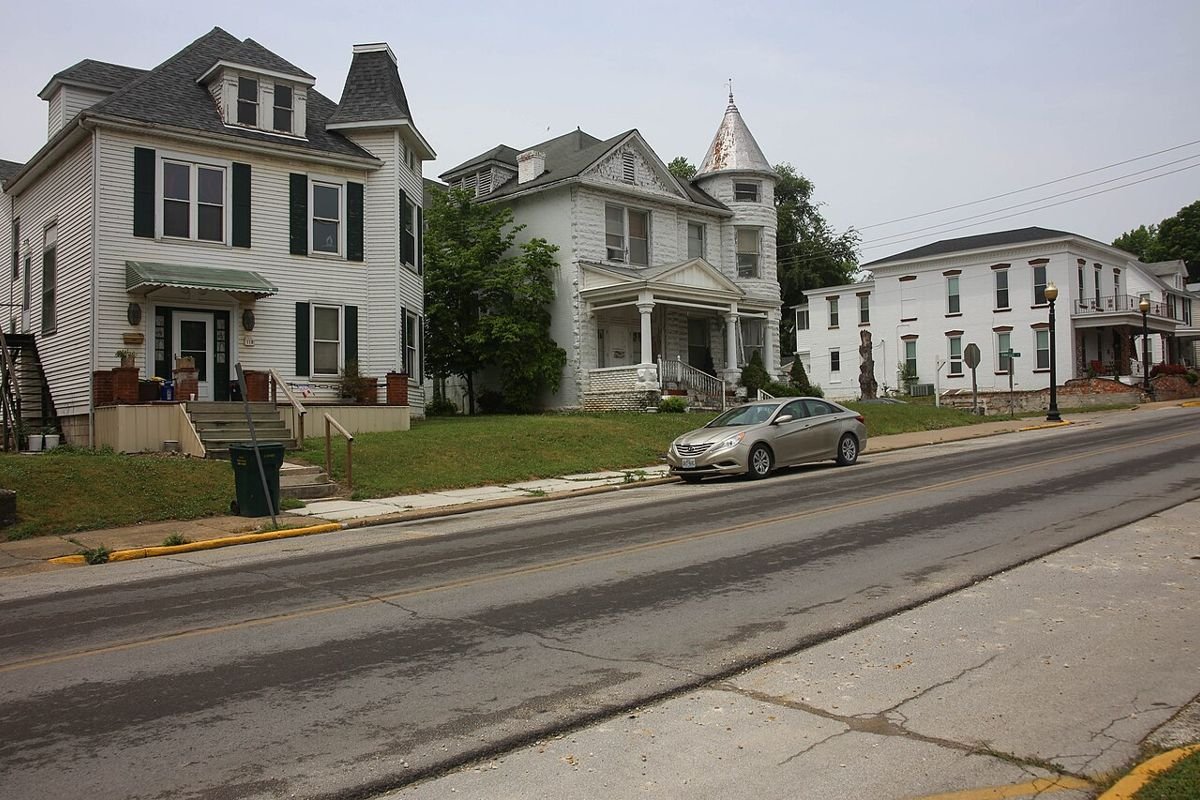
In July 1972 three children in Louisiana, Missouri, said they saw a huge hairy thing at the foot of Marzolf Hill carrying a dead dog. For a few weeks the river town was the monster capital of America.
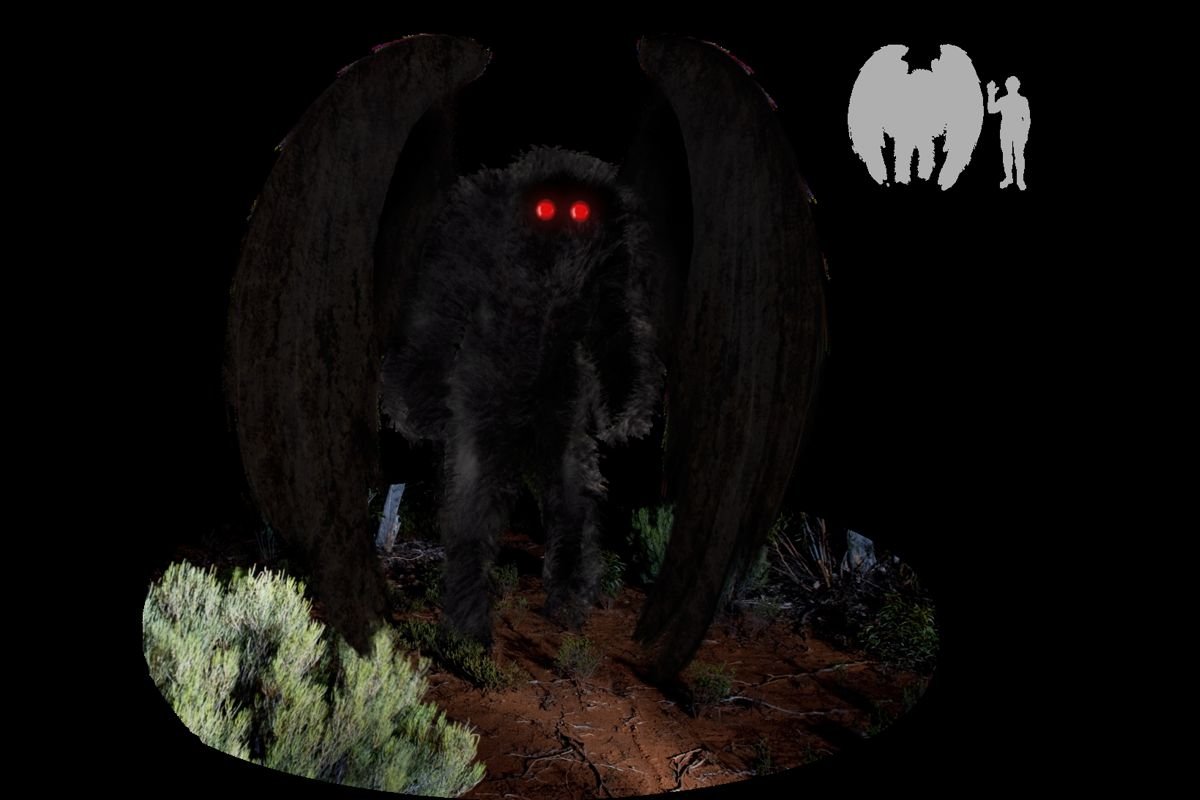
Red eyes in the headlights, wings folded on its back, and a small river town that never forgot. Mothman reports ran through Point Pleasant for a year, then the bridge fell.
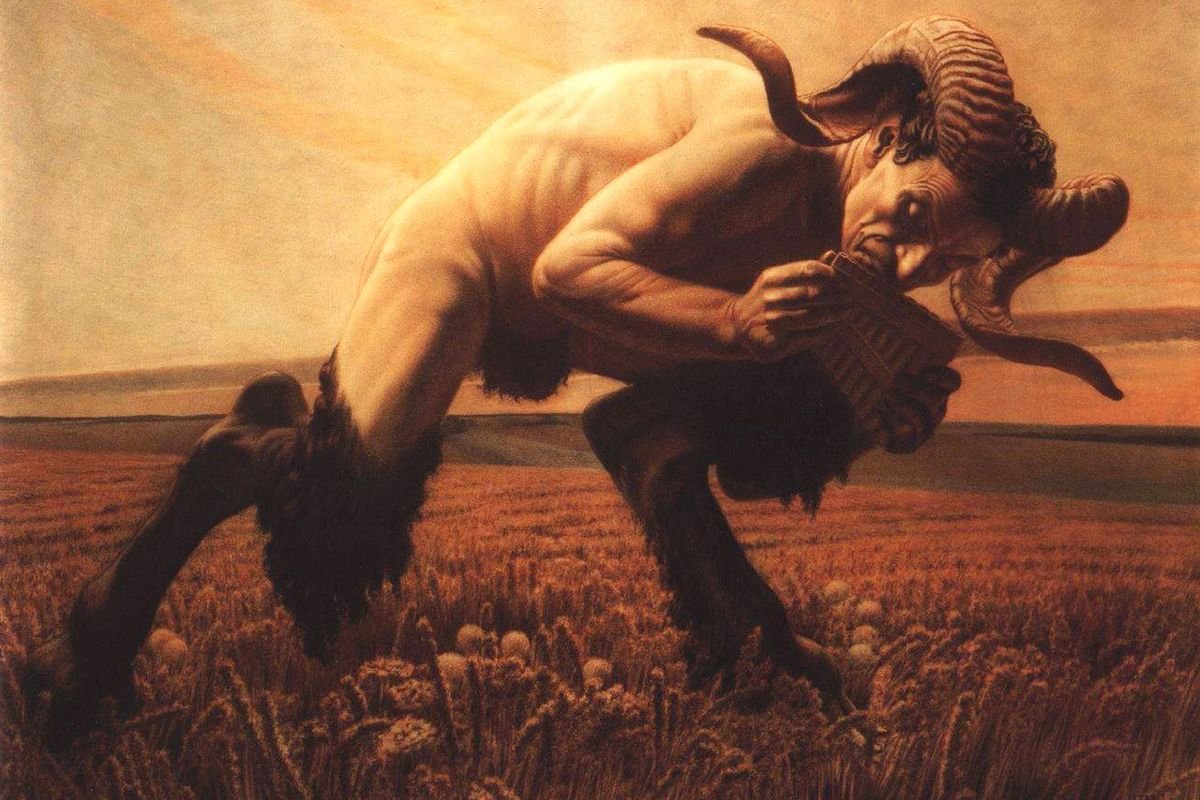
A half-man, half-goat said to haunt a towering railroad trestle outside Louisville. The legend is told as a warning, and the trestle itself has killed people who went looking.
A Navajo belief that many Diné people would rather outsiders left alone, and a Utah ranch that borrowed its name. This page covers the modern lore and treats the tradition with care.
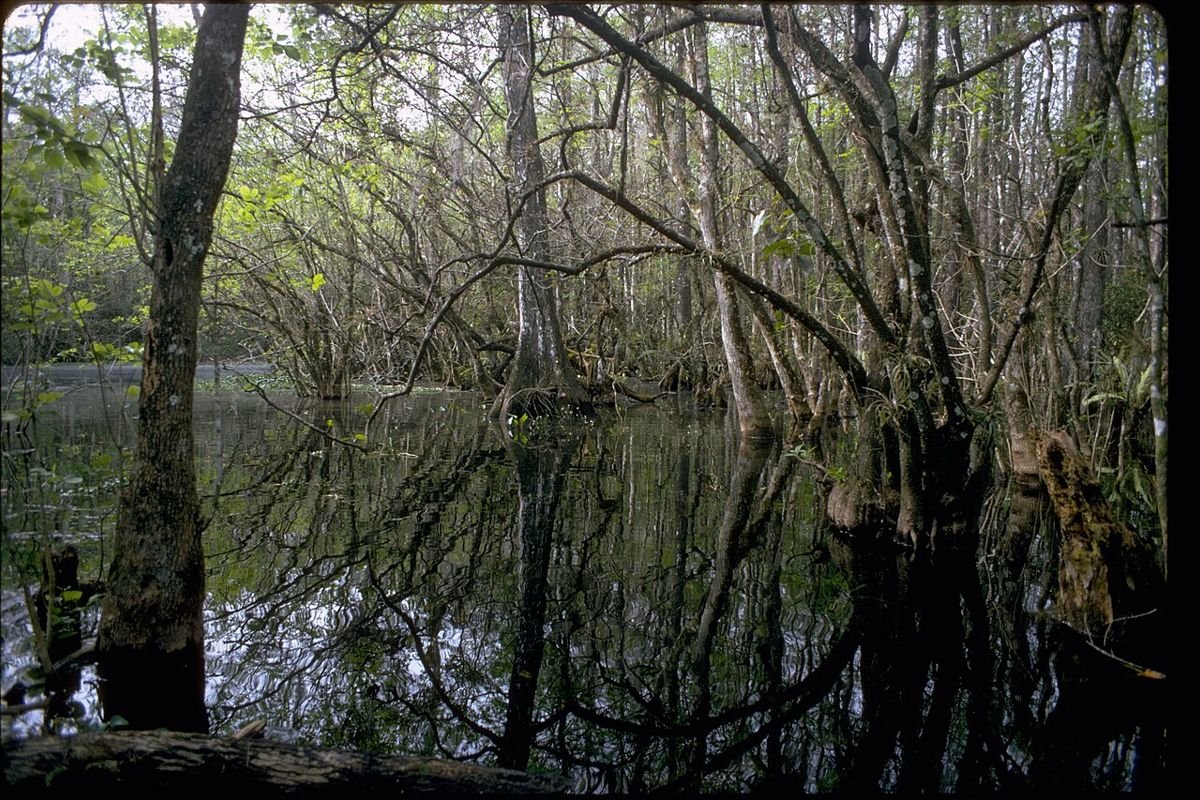
Florida's swamp ape, named for a smell witnesses never forget. Its biggest champion runs a research headquarters and campground in the Everglades.

Western Maryland's winged dragon: a German settlers' 'quick ghost' that a small-town newspaper turned into a sensation in 1909, and that has refused to go away since.
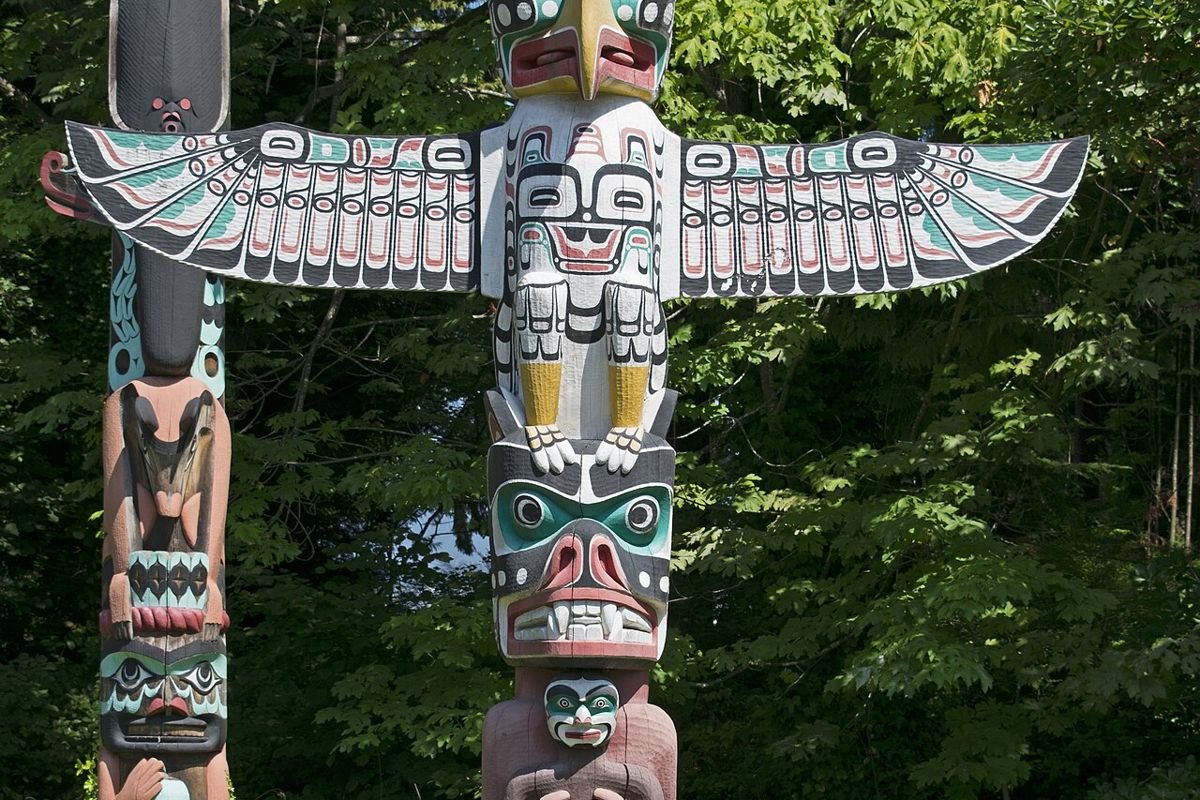
A bird big enough to lift a child. The name comes from powerful Indigenous traditions, but the modern cryptid lives in tall tales, a lost photograph and one terrifying summer evening in Illinois.
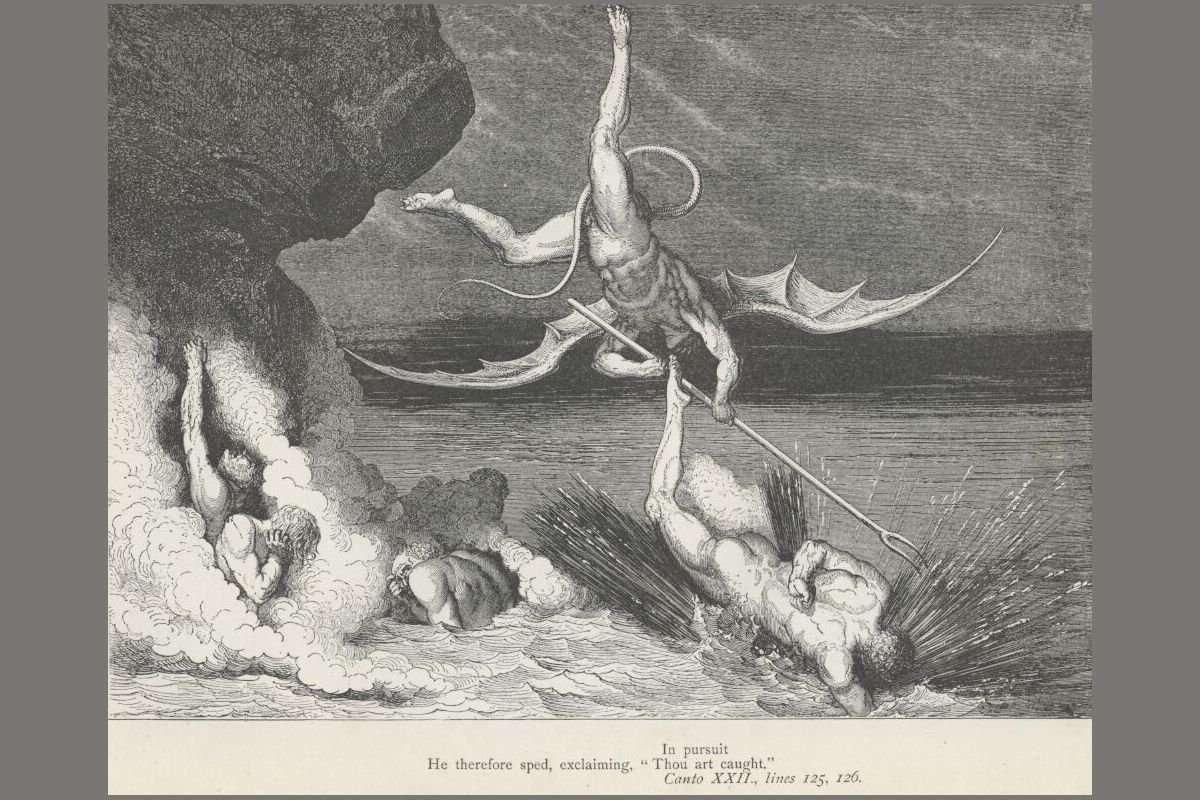
For five nights in the fall of 1903, the businessmen of a small Iowa town said a winged, glowing creature came out of an old coal mine. They said they shot at it, and that it did not seem to care.
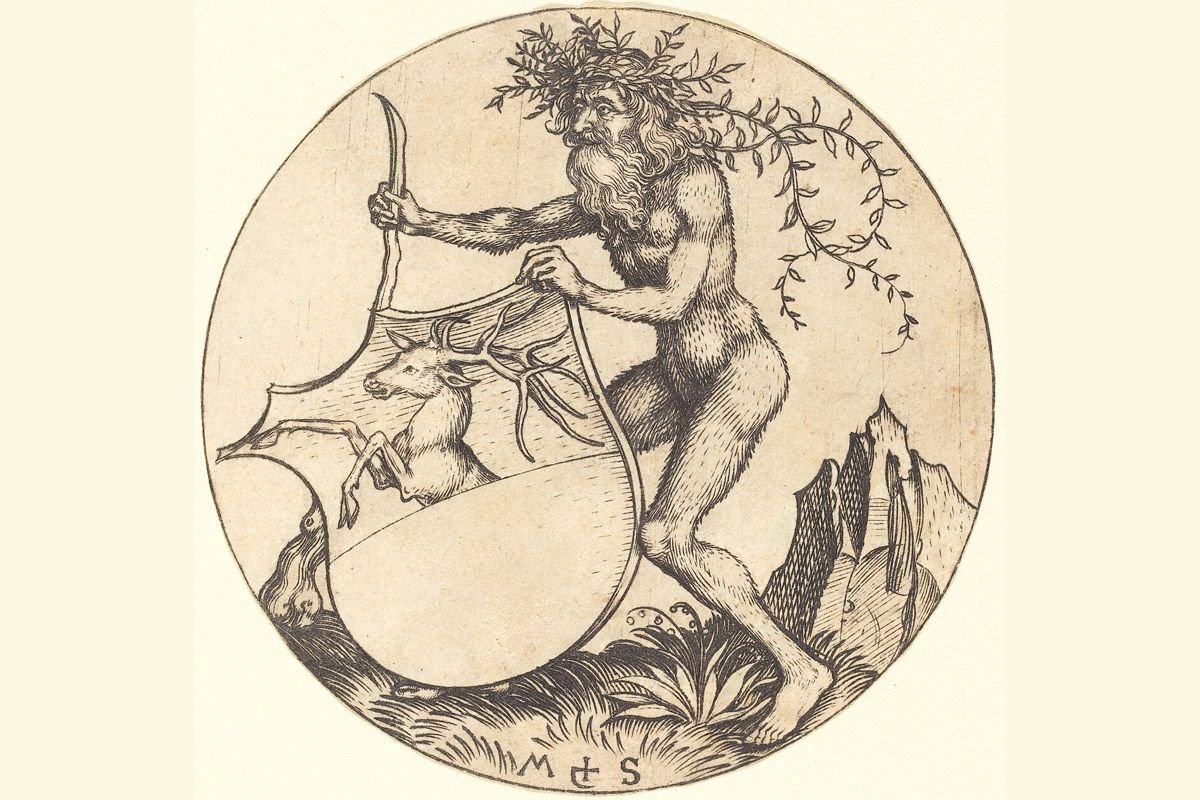
Central Asia's 'wild man': a hairy, human-like figure from Mongolian and Caucasus folklore that Soviet scientists once went looking for in earnest.
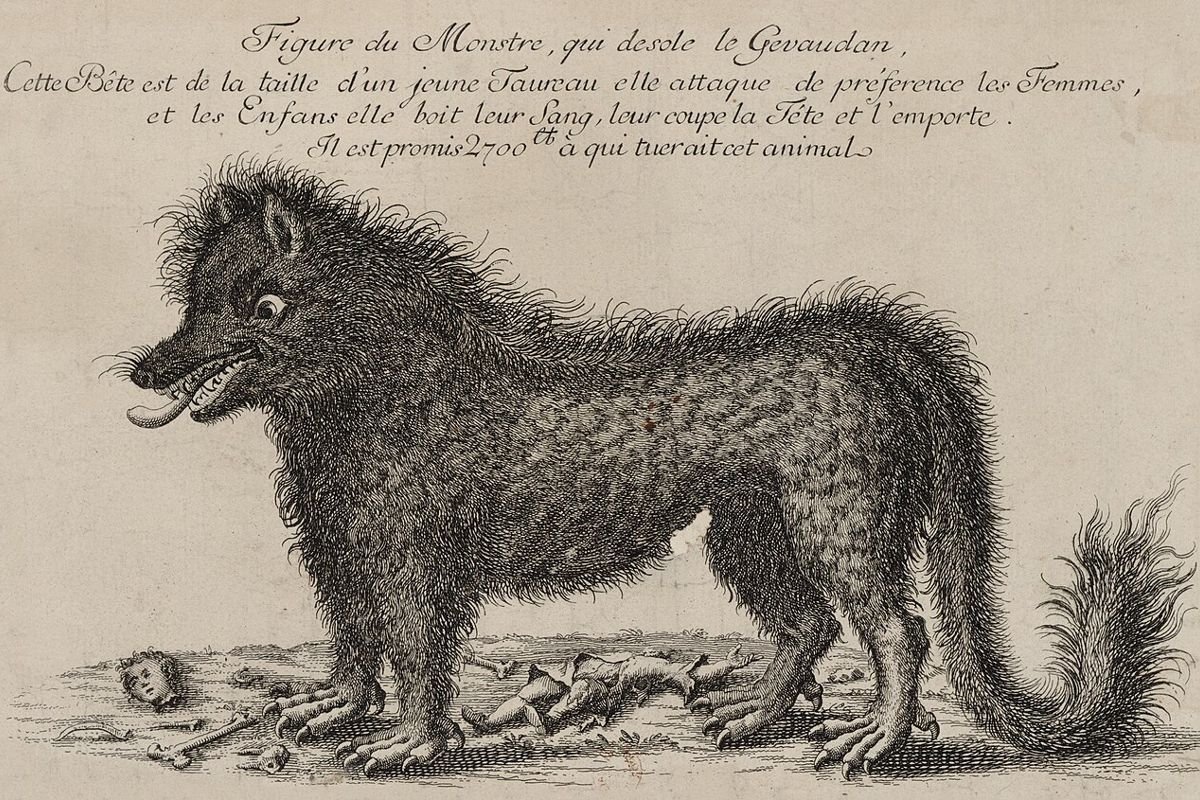
Between 1764 and 1767 something killed scores of people in the mountains of south-central France. The king sent his best hunters. It took three years and a local farmer's gun to end it, and nobody fully agrees on what it was.
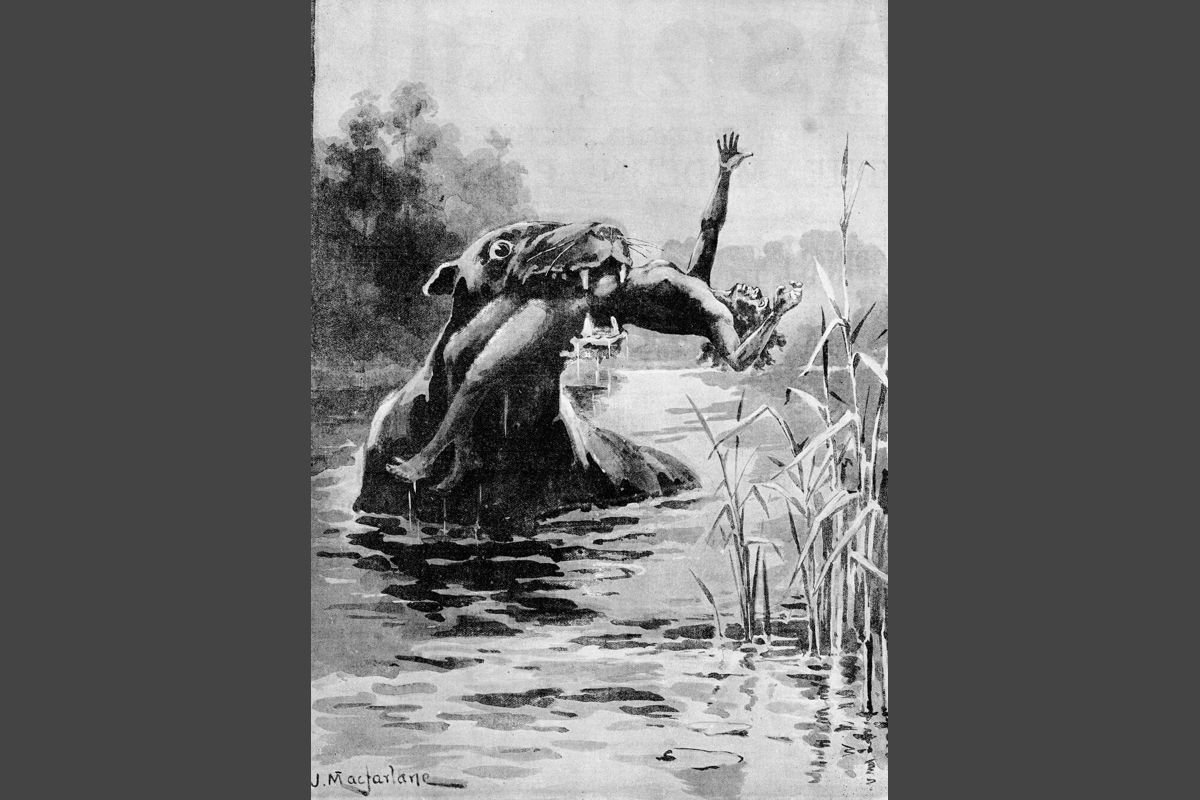
Something bellows in the billabongs of southeastern Australia. Aboriginal tradition named it; colonial newspapers chased it; a mystery skull put it on display in Sydney in 1847.
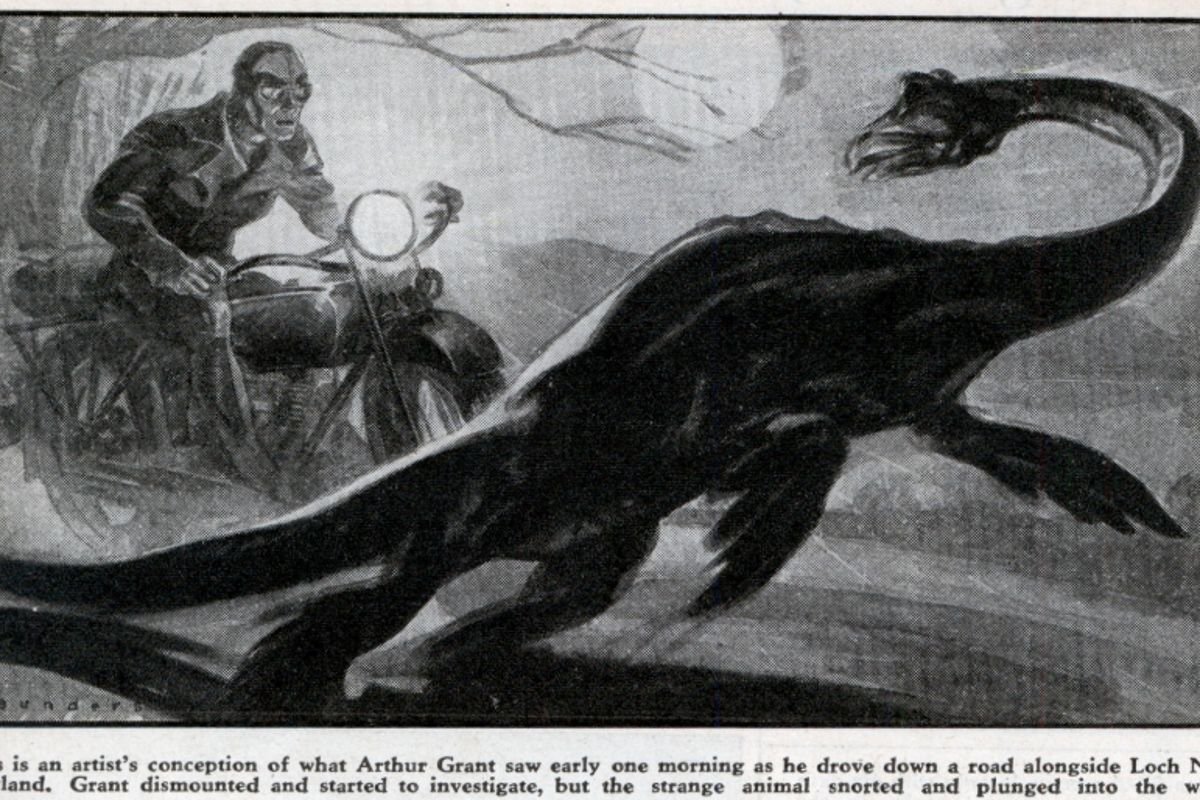
A long neck, a hump in dark water, and a Highland loch deep enough to hide almost anything. Nessie is the world's most famous lake monster.
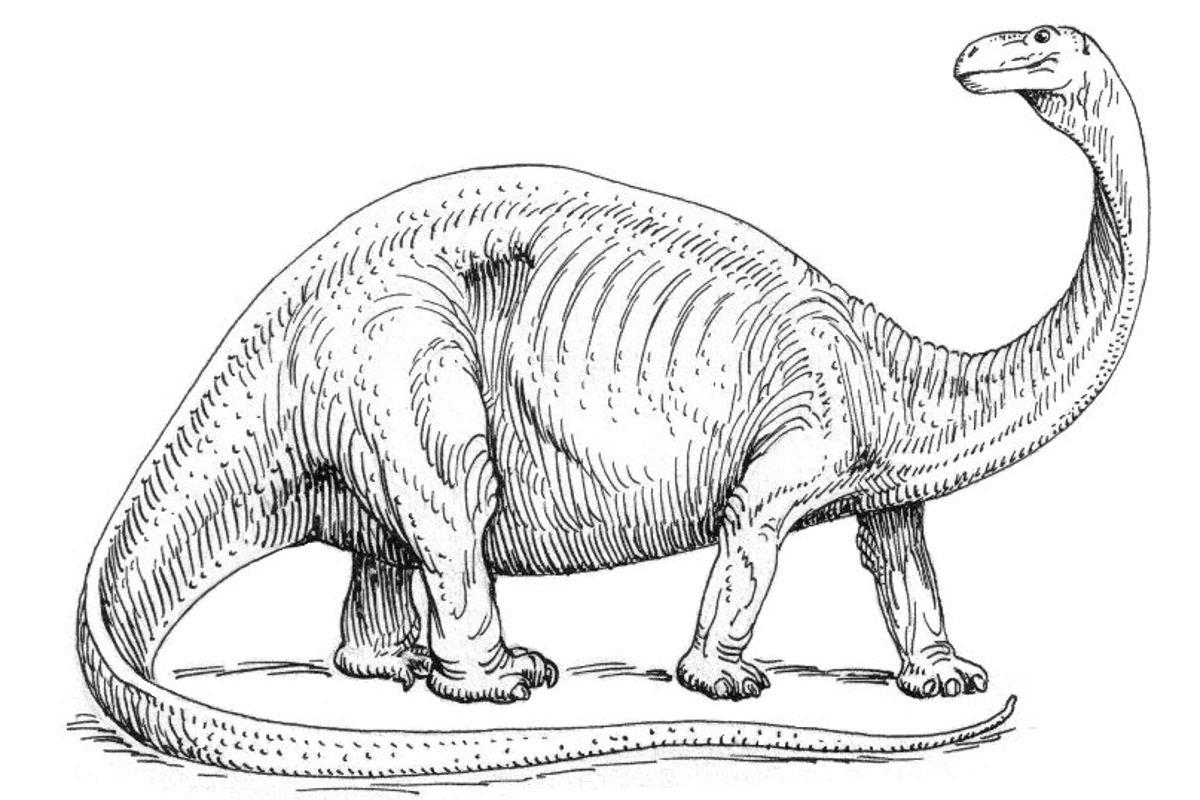
Deep in the Congo swamps, some explorers have gone looking for a living dinosaur. What they found were stories, blurry film and a long argument about where the legend came from.
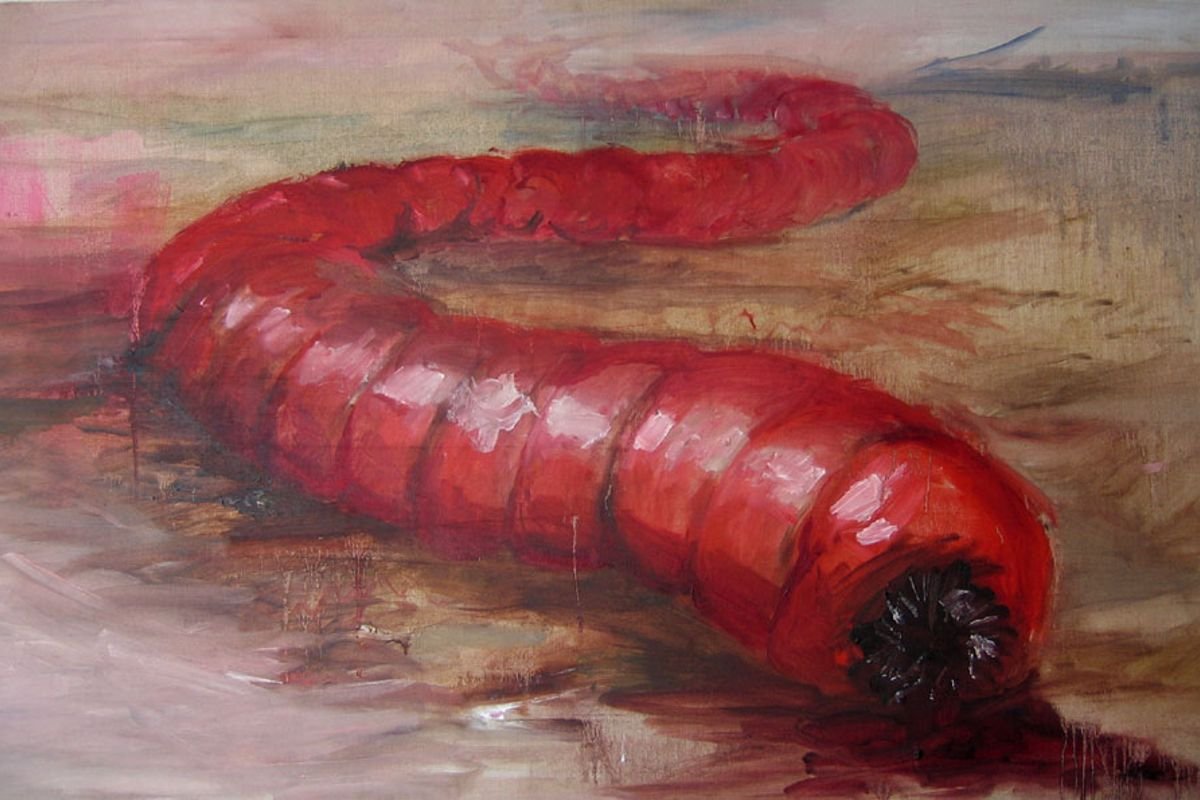
A worm under the Gobi sand that kills with venom or a jolt of electricity. That is the legend. Expeditions have used thumpers, explosives and patience, and come home empty-handed.
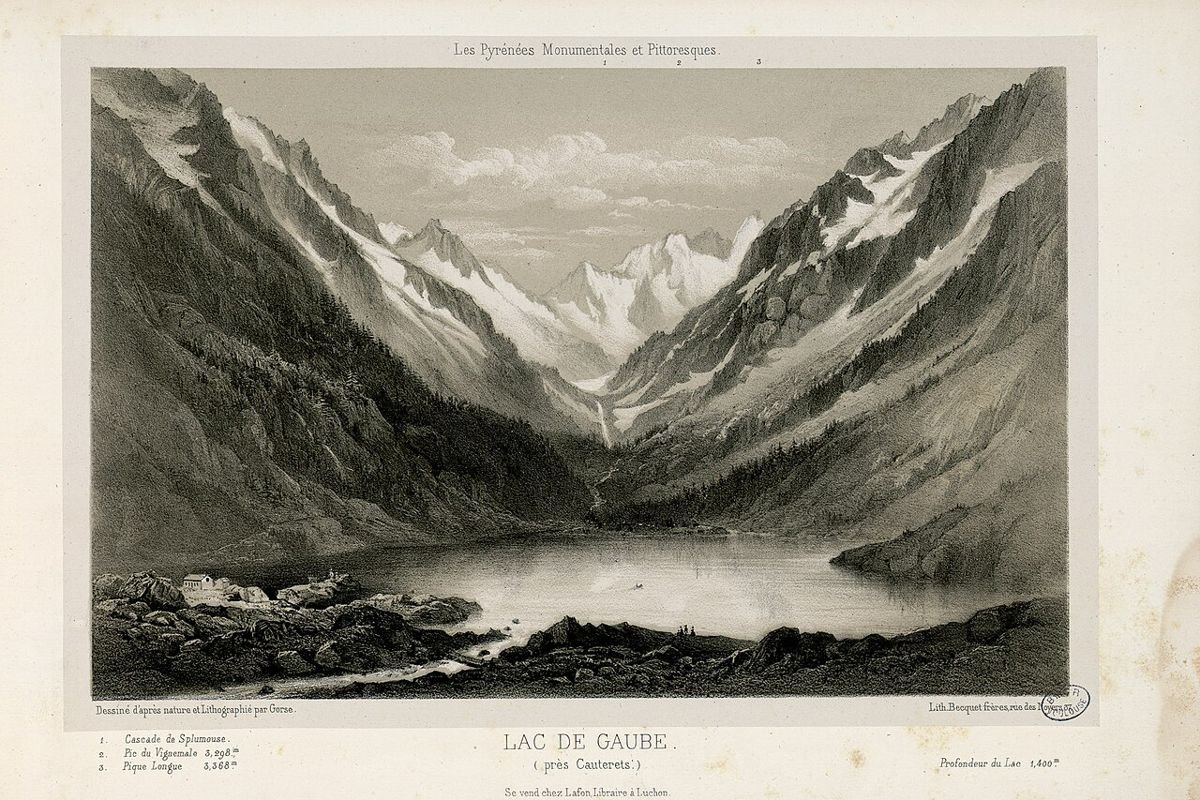
A long, humped shape in Okanagan Lake, a music-hall name, and a much older Syilx spirit of the lake. Canada's best-known lake creature.
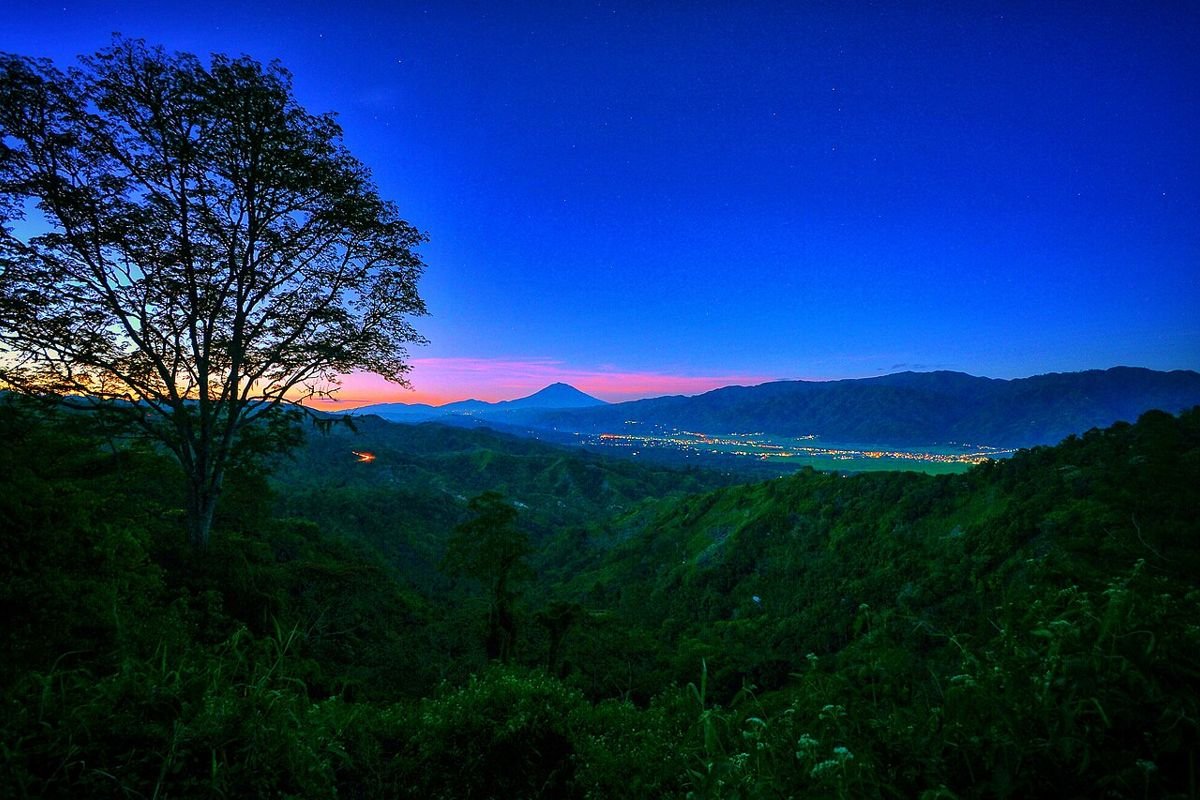
A small, powerful ape said to walk upright through the Sumatran rainforest. It is one of the few cryptids that serious field researchers say they have seen themselves.
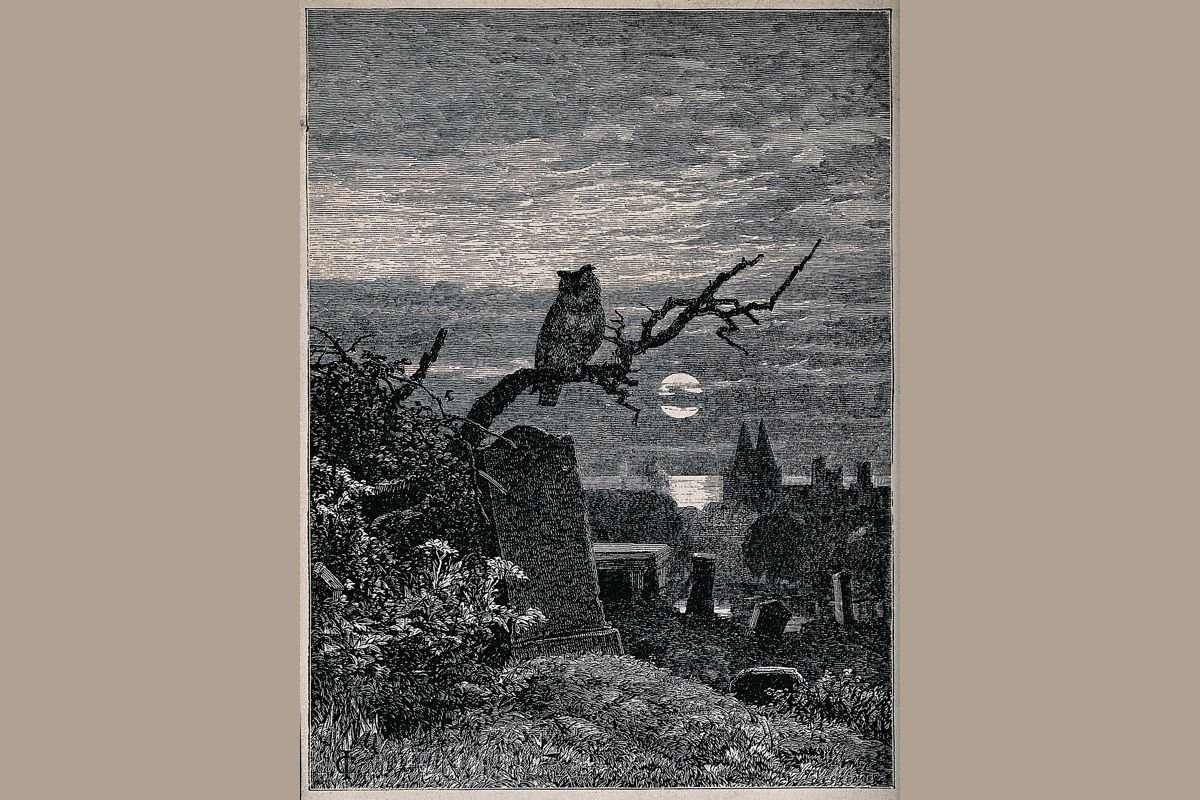
In 1976 two sisters on holiday in Cornwall said a huge feathered bird-man hovered over a village church tower. Britain's answer to Mothman was born, and so was an argument about who was behind it.
For centuries sailors swore to giant serpents rising beside their ships and many-armed monsters pulling boats down. A navy captain's report in 1848 made headlines. A camera in 2004 finally caught one monster alive.
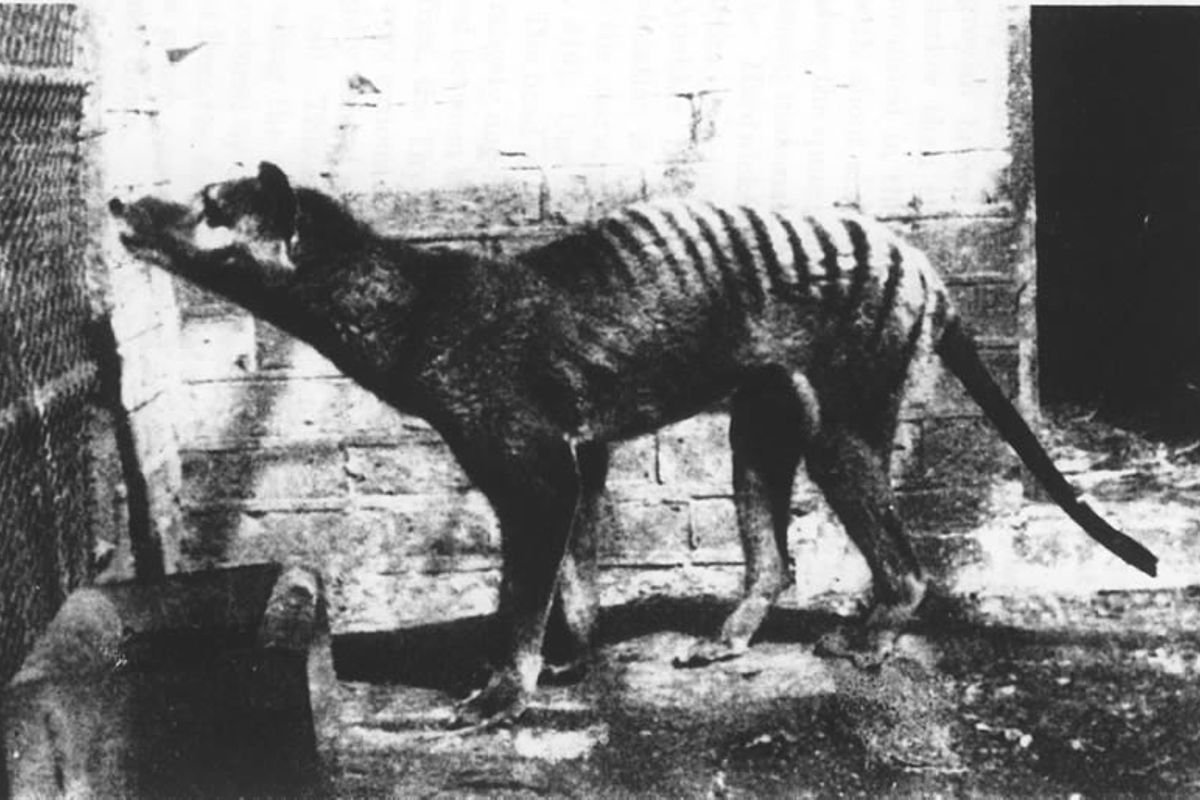
The last known Tasmanian tiger died in a Hobart zoo in 1936. People have been reporting striped dog-like animals in the Tasmanian bush ever since.
A being of winter, hunger and greed from Algonquian tradition, long before it became a horror-movie monster. Its real story is about how people survive hard winters together.
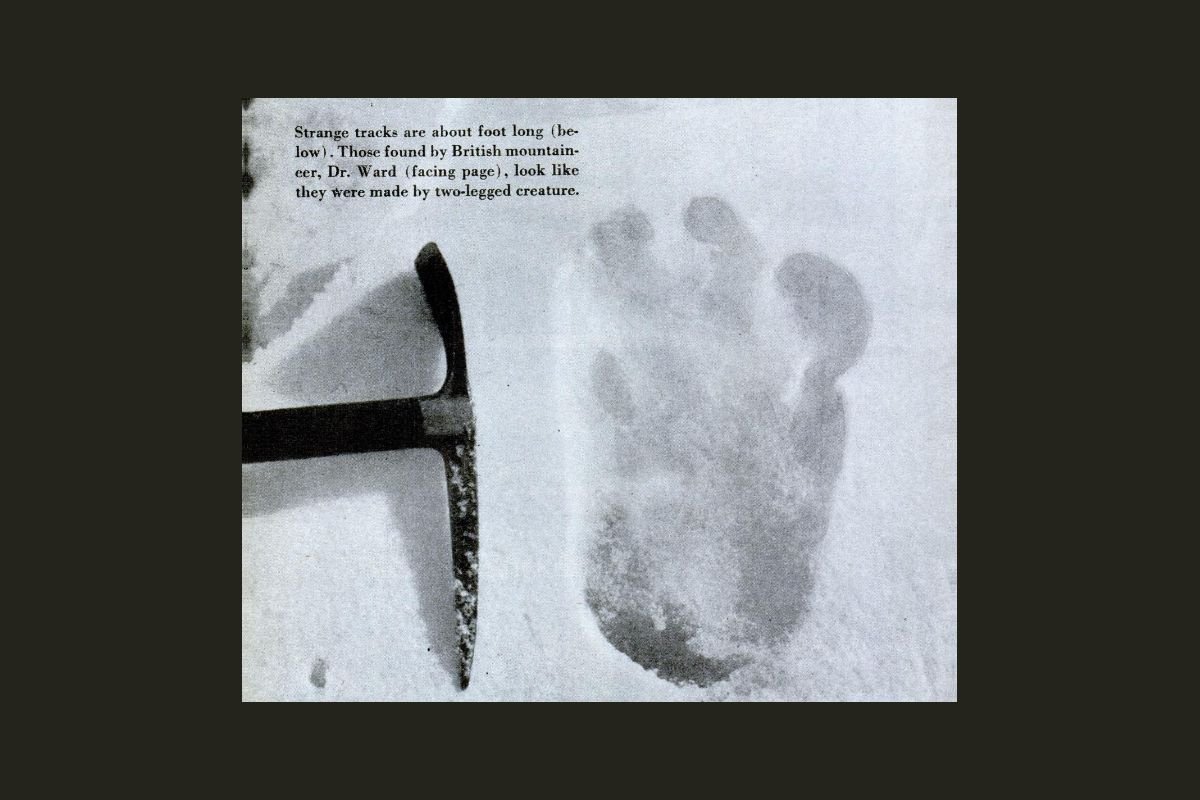
Big footprints in high Himalayan snow, and a creature the Sherpa named long before Western climbers arrived. The Yeti is the mountain cousin of Bigfoot.
Australia's hairy giant of the eastern ranges. Colonial papers called it the Yahoo; today it has a statue, a park and a footy team in Queensland.
The places where the reports pile up. Some you can visit, some you can only drive past.
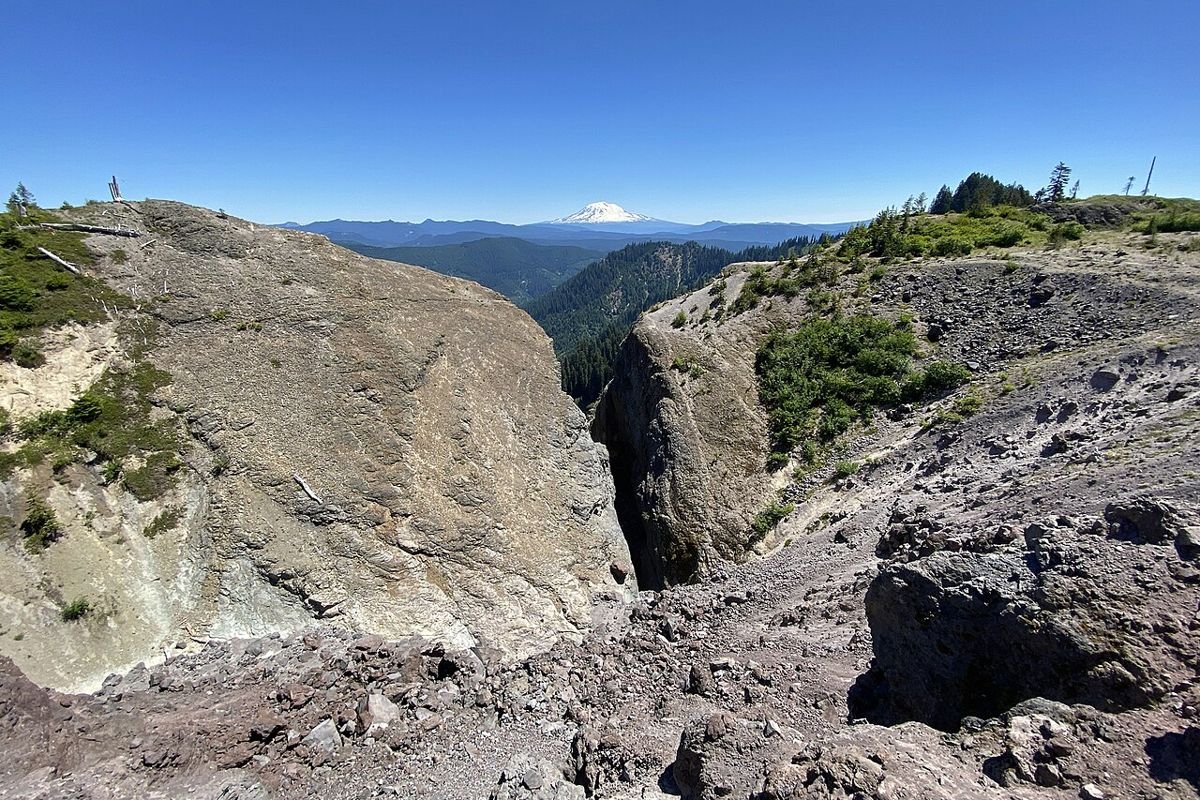
In the summer of 1924, gold prospectors on Mount St. Helens said seven-foot 'ape-men' bombarded their cabin with rocks all night, and the gorge has carried the name ever since.
Linked to: Bigfoot
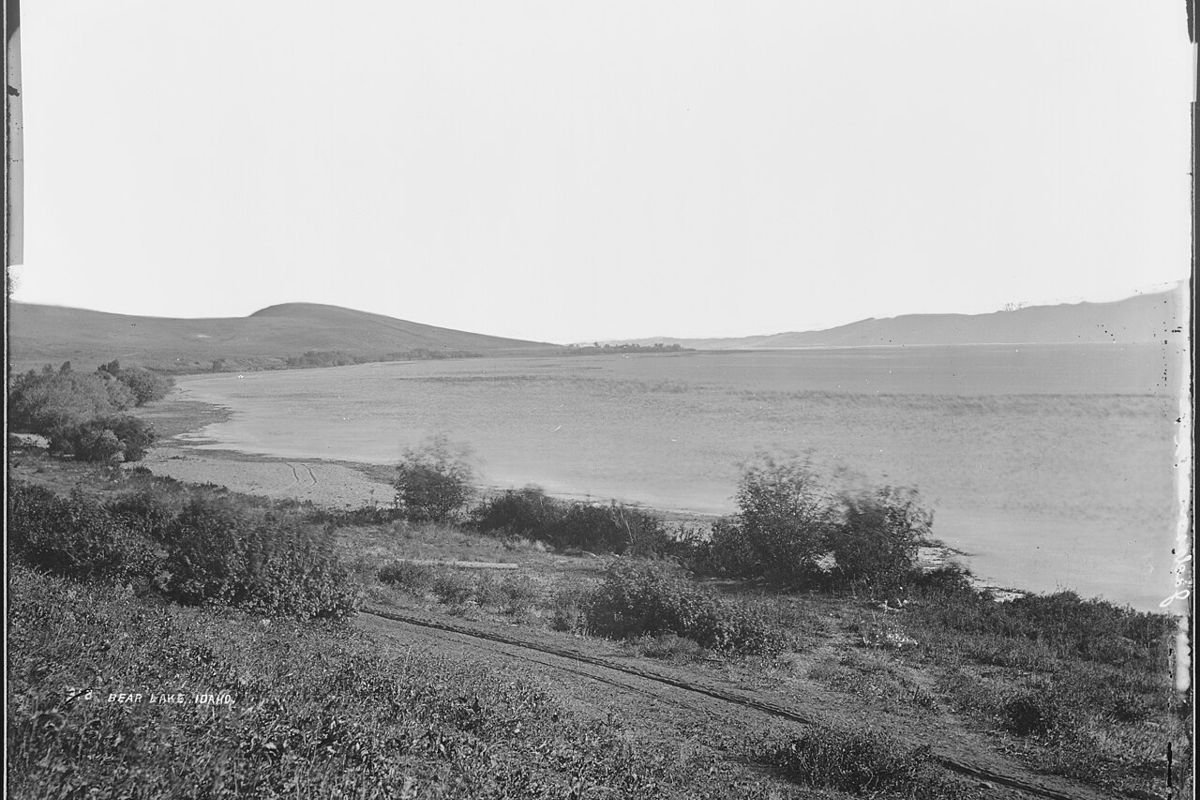
A turquoise lake on the Utah-Idaho line whose serpent was invented by a newspaper writer in 1868, admitted as 'a wonderful first-class lie', and then kept being seen anyway.
Linked to: Bear Lake Monster
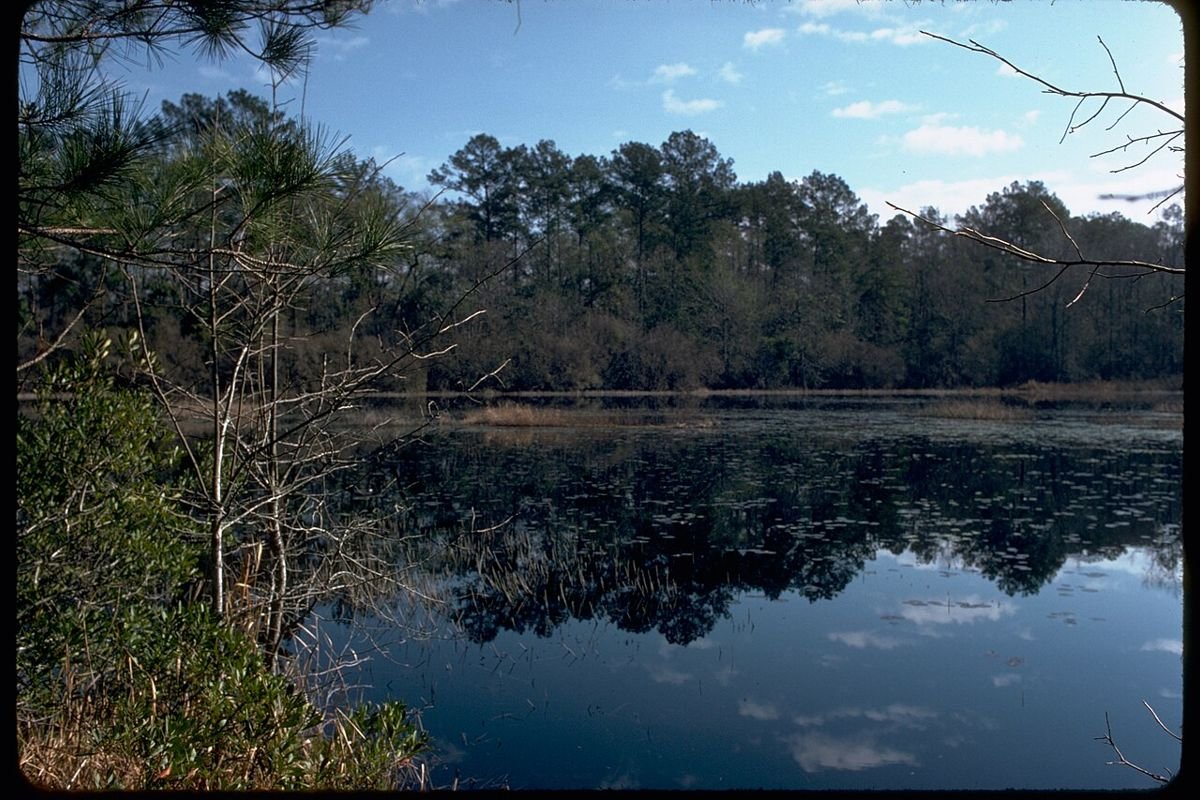
A tangled mix of pine forest, bayou and cypress slough in East Texas where hunters, motorists and a churchyard visitor have described tall, dark, hairy figures crossing their path.
Linked to: Bigfoot
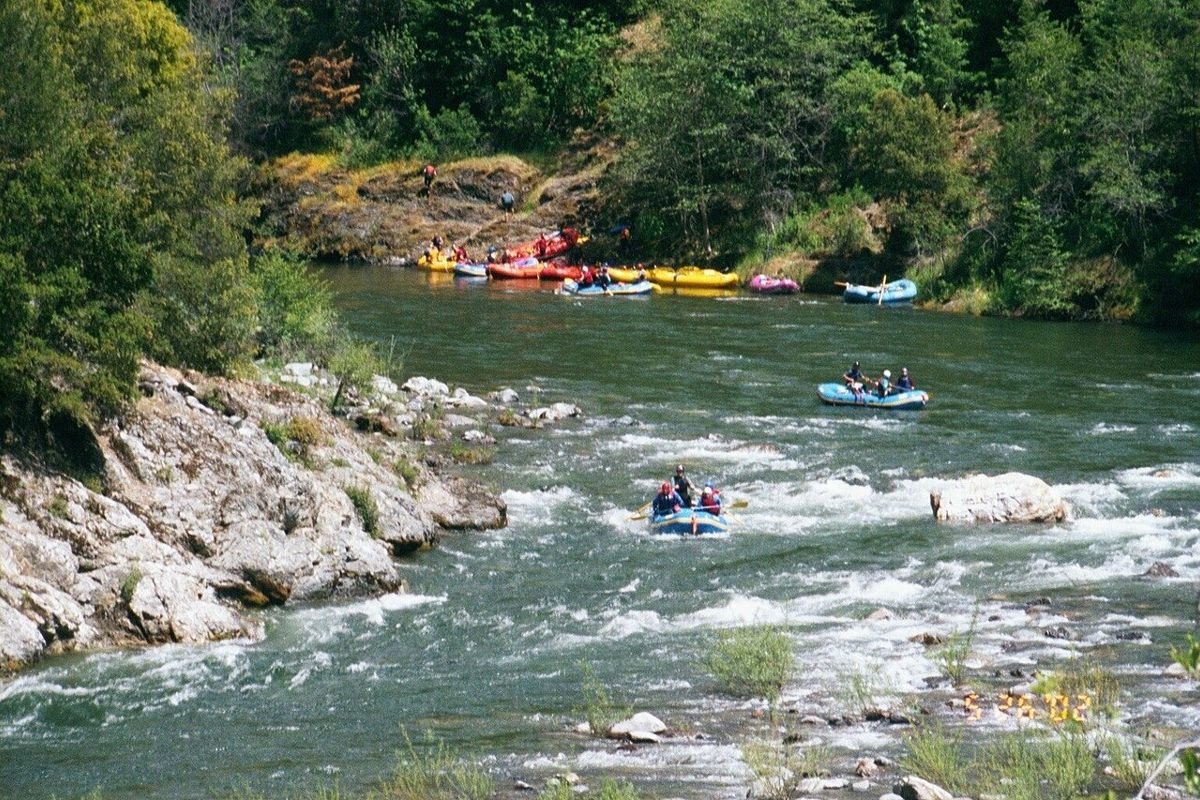
A remote creek in the Six Rivers National Forest where the name 'Bigfoot' was born in 1958 and where, nine years later, two cowboys filmed the most argued-over 59 seconds in cryptozoology.
Linked to: Bigfoot
A quiet farm road outside Elkhorn, Wisconsin, where drivers since the 1980s have described a six-to-seven-foot wolf-headed thing that stands up on two legs.
Linked to: Beast of Bray Road
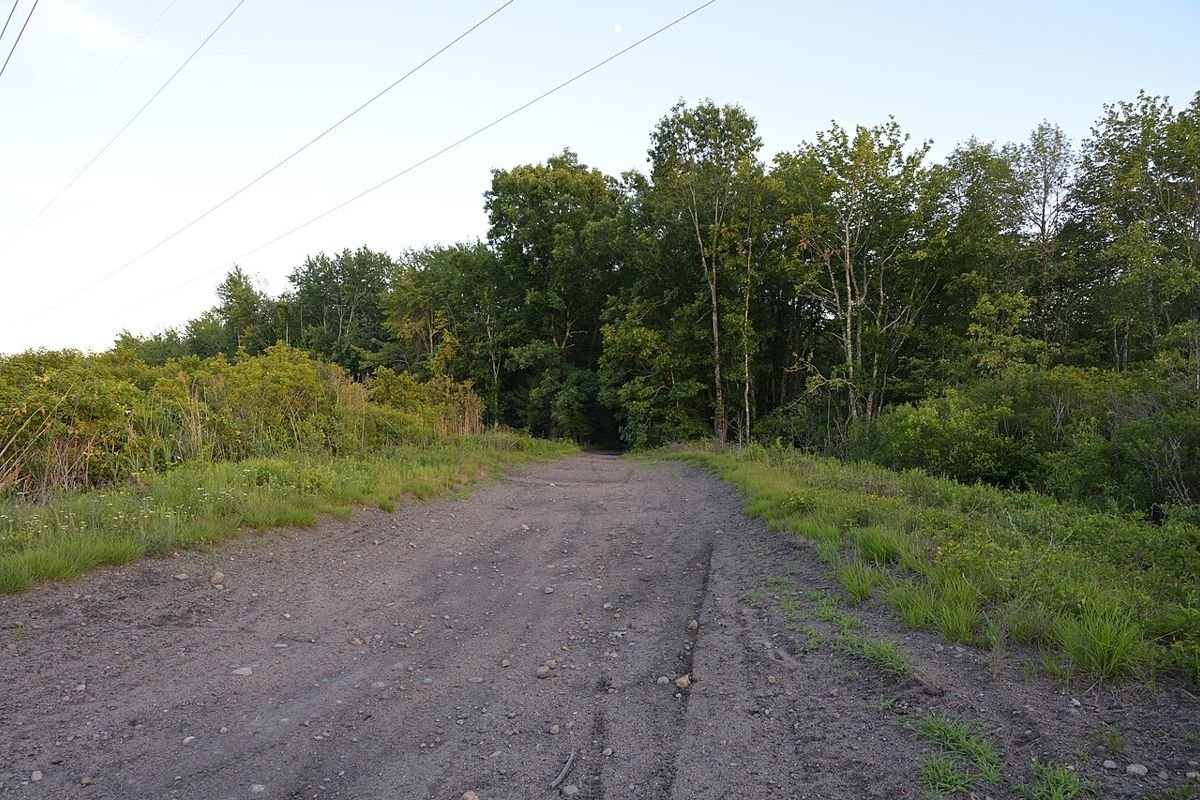
Some 200 square miles of swamp and forest south of Boston where locals report giant birds, hairy figures, huge snakes and little tricksters, all inside the borders a cryptozoologist drew on a map.
Linked to: Bigfoot, Thunderbird, Pukwudgie
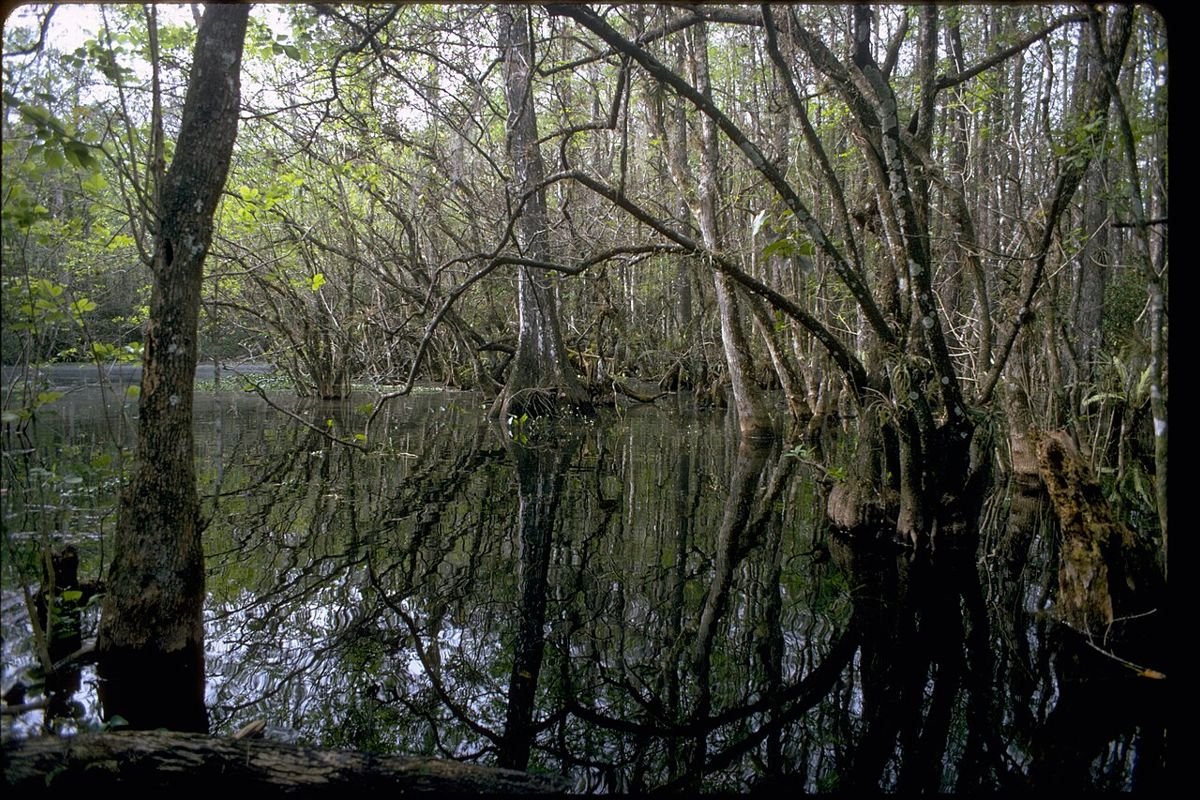
Along the lonely Tamiami Trail through the Big Cypress swamp, a tiny town has a skunk ape research headquarters, and a fire chief's 1997 photo of a dark upright figure still sparks arguments.
Linked to: Skunk Ape
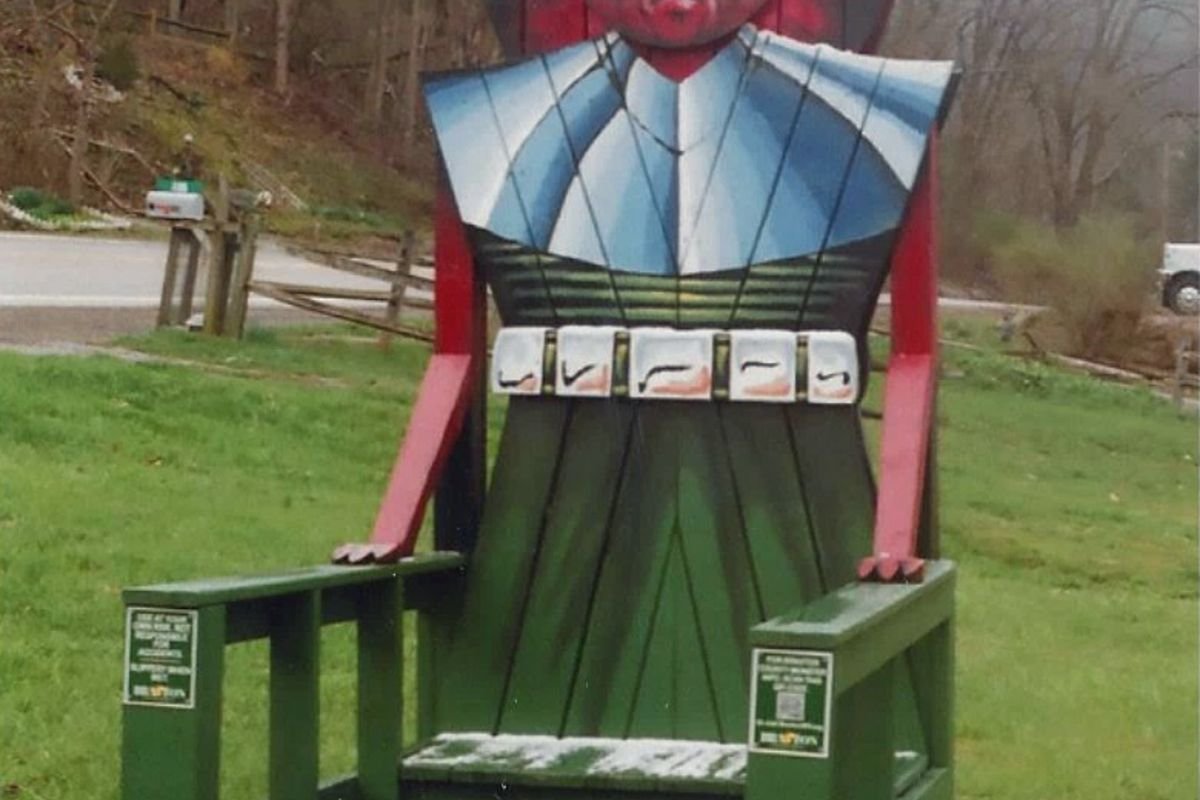
On a September evening in 1952, a group of boys chased a falling light up a hill in Braxton County and met something ten feet tall with a glowing face and a choking mist.
Linked to: Flatwoods Monster
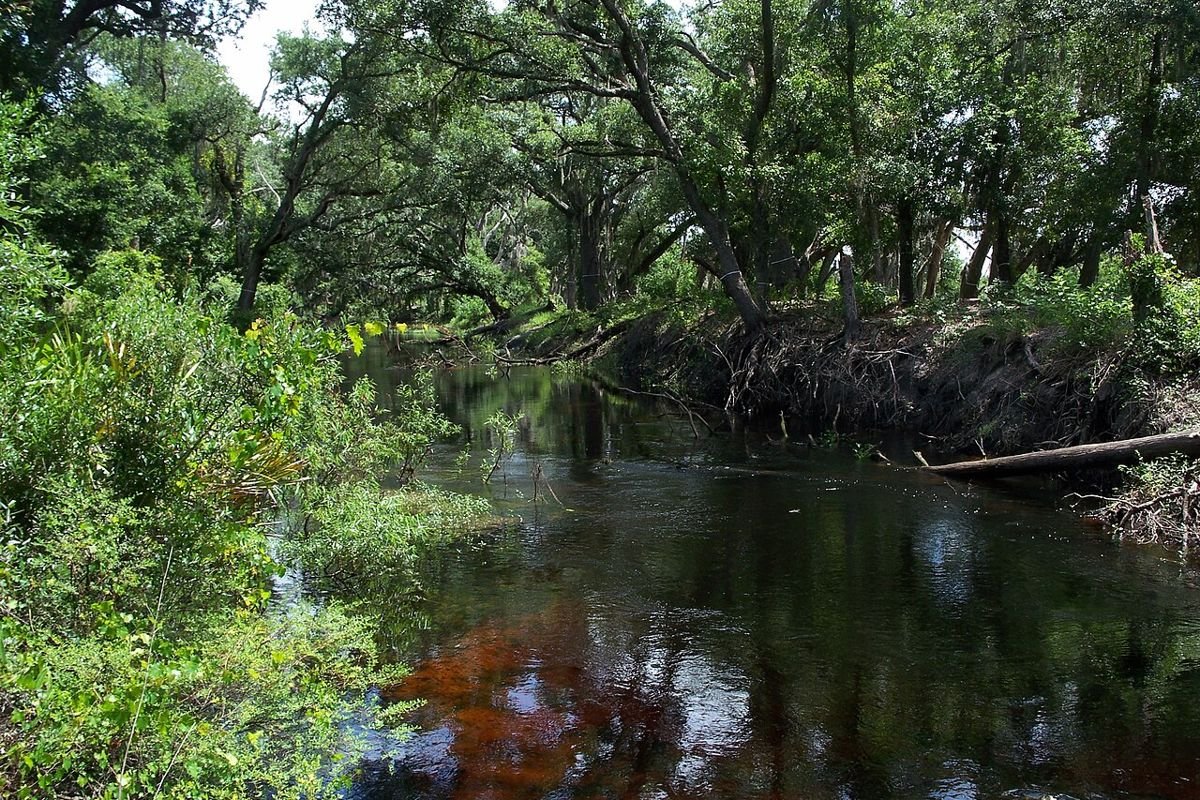
A small Arkansas town near Texarkana where a hairy, red-eyed creature reportedly reached through a window in 1971, and a low-budget film turned the bottomland swamps into Bigfoot legend.
Linked to: Fouke Monster
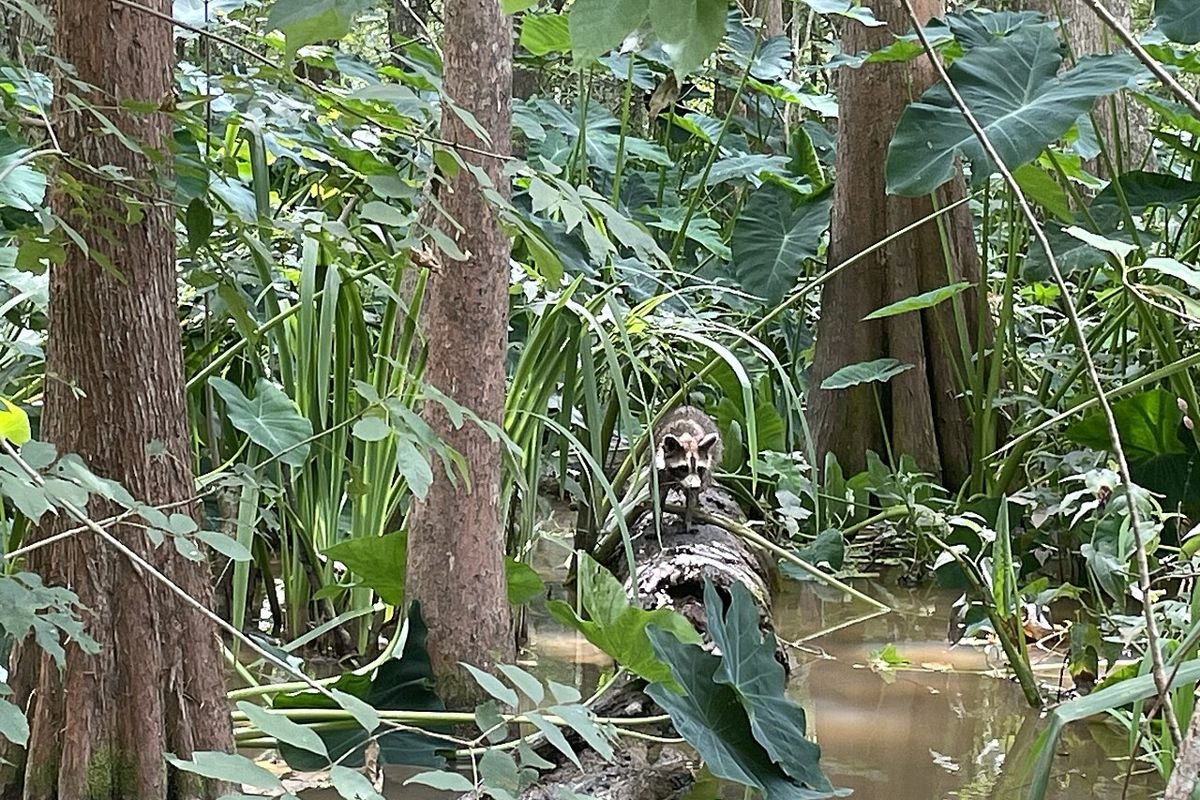
One of America's least-altered river swamps, on the Louisiana-Mississippi line, where a retired air traffic controller said he met a gray-haired, yellow-eyed giant in 1963 and left behind a reel of film.
Linked to: Honey Island Swamp Monster
For one long August night in 1955, a farm family near Kelly, Kentucky, said small glowing-eyed creatures kept creeping up to the house, and they kept shooting at them.
Linked to: Kelly-Hopkinsville Goblins
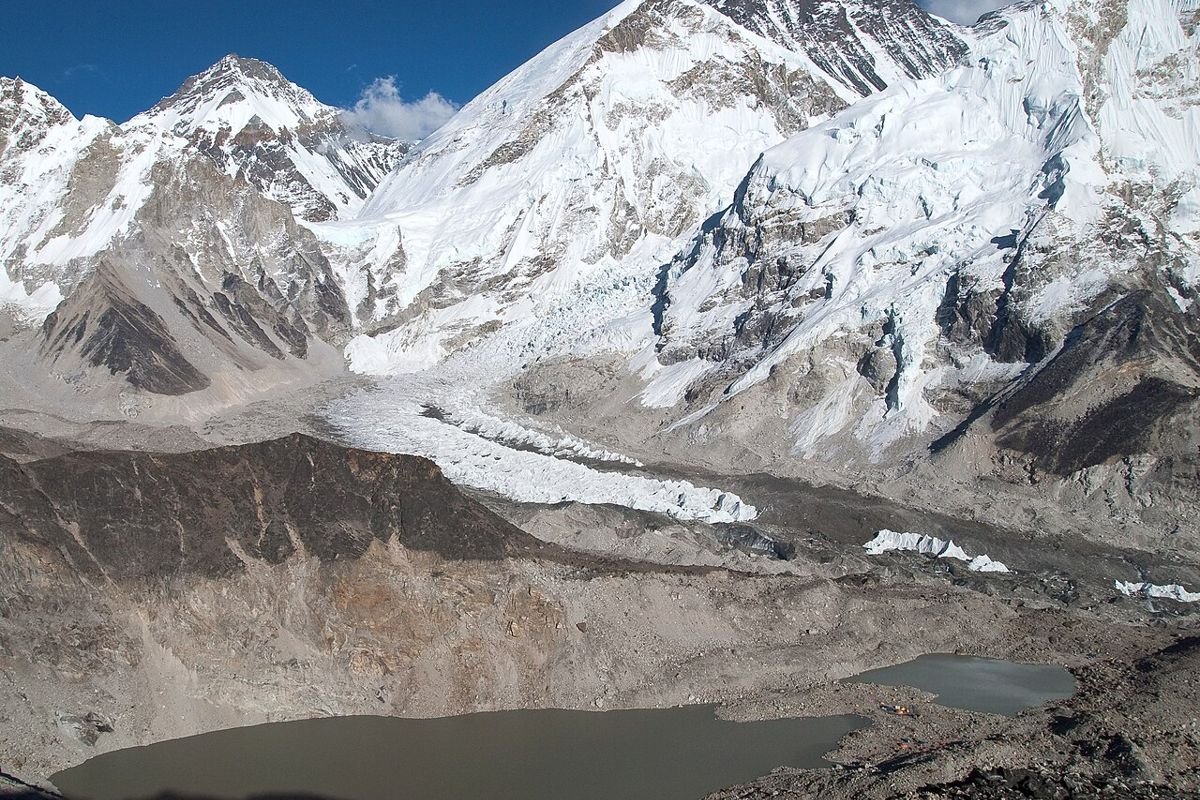
The high Sherpa valleys below Everest, where climbers photographed giant tracks in the snow, monasteries kept a 'yeti scalp', and the Abominable Snowman got its English name.
Linked to: Yeti
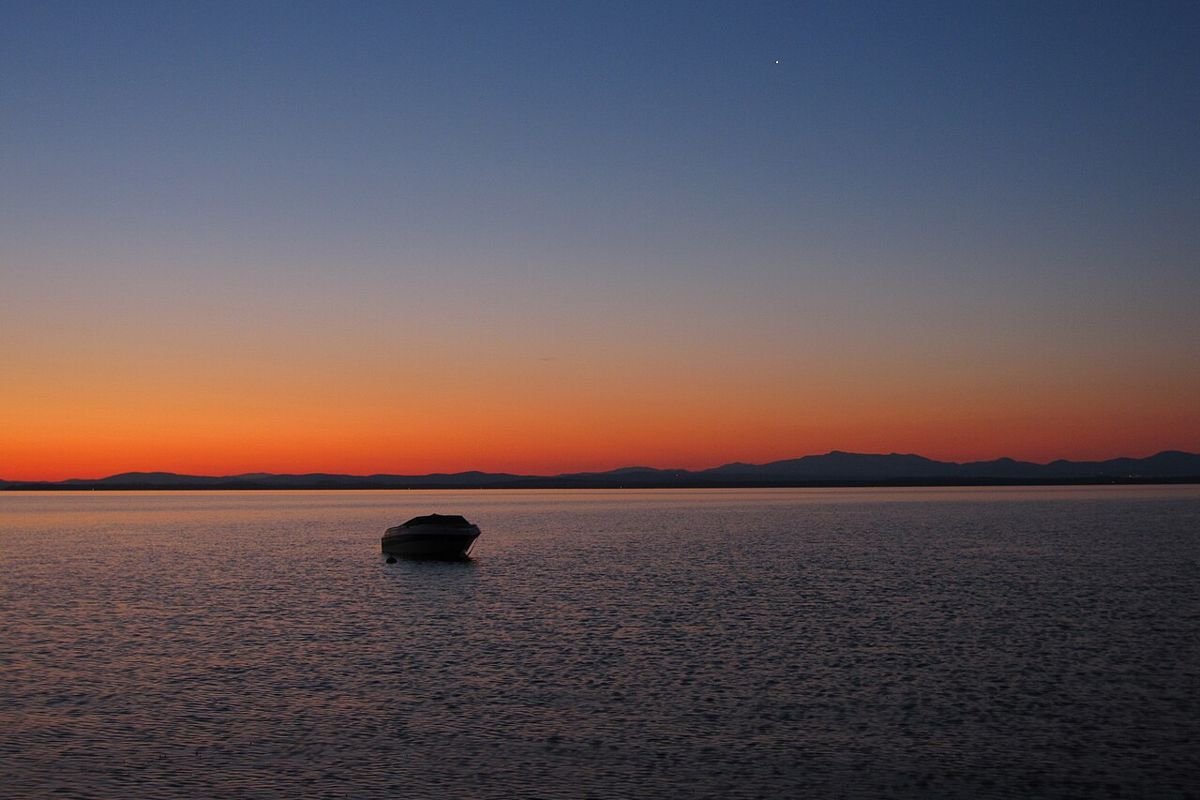
A 107-mile lake between Vermont and New York where a long-necked 'serpent' has been reported since the 1800s, and where one 1977 snapshot still divides believers and skeptics.
Linked to: Champ
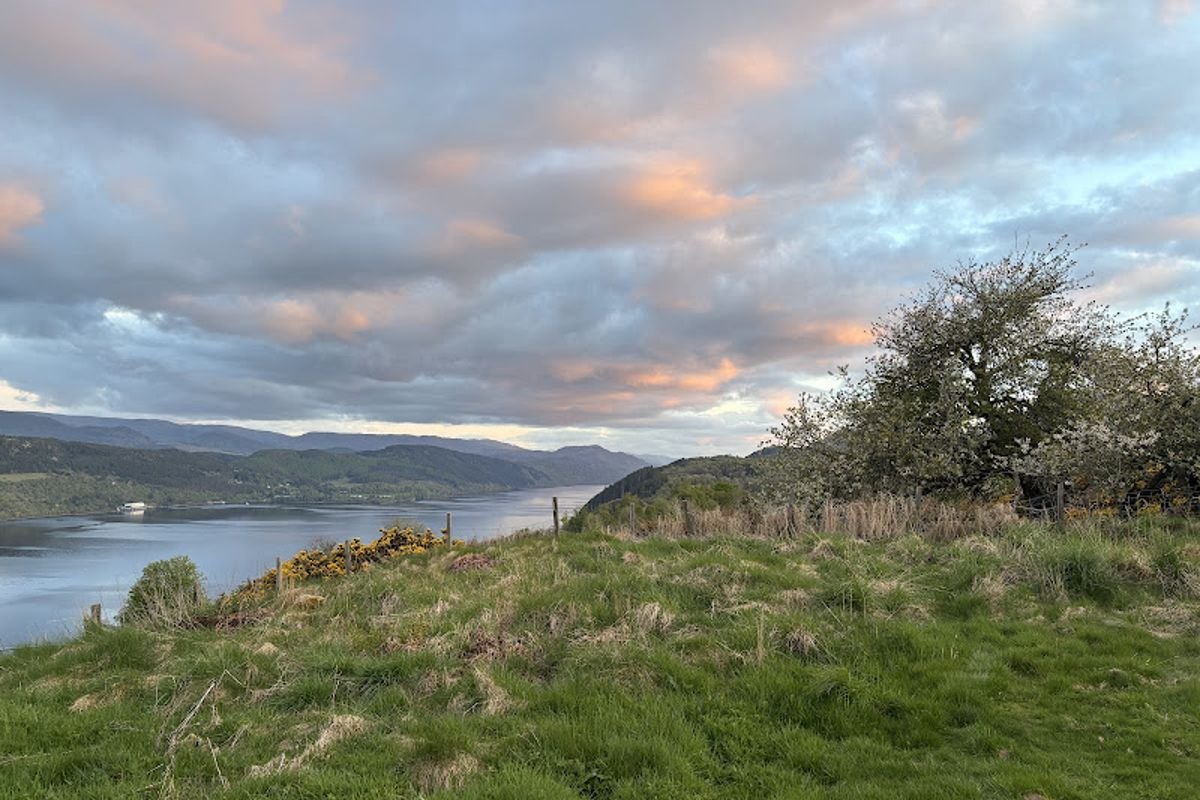
A dark, deep Highland loch holding more water than every lake in England and Wales combined, and the world's most famous lake monster since a 1933 newspaper story.
Linked to: Loch Ness Monster
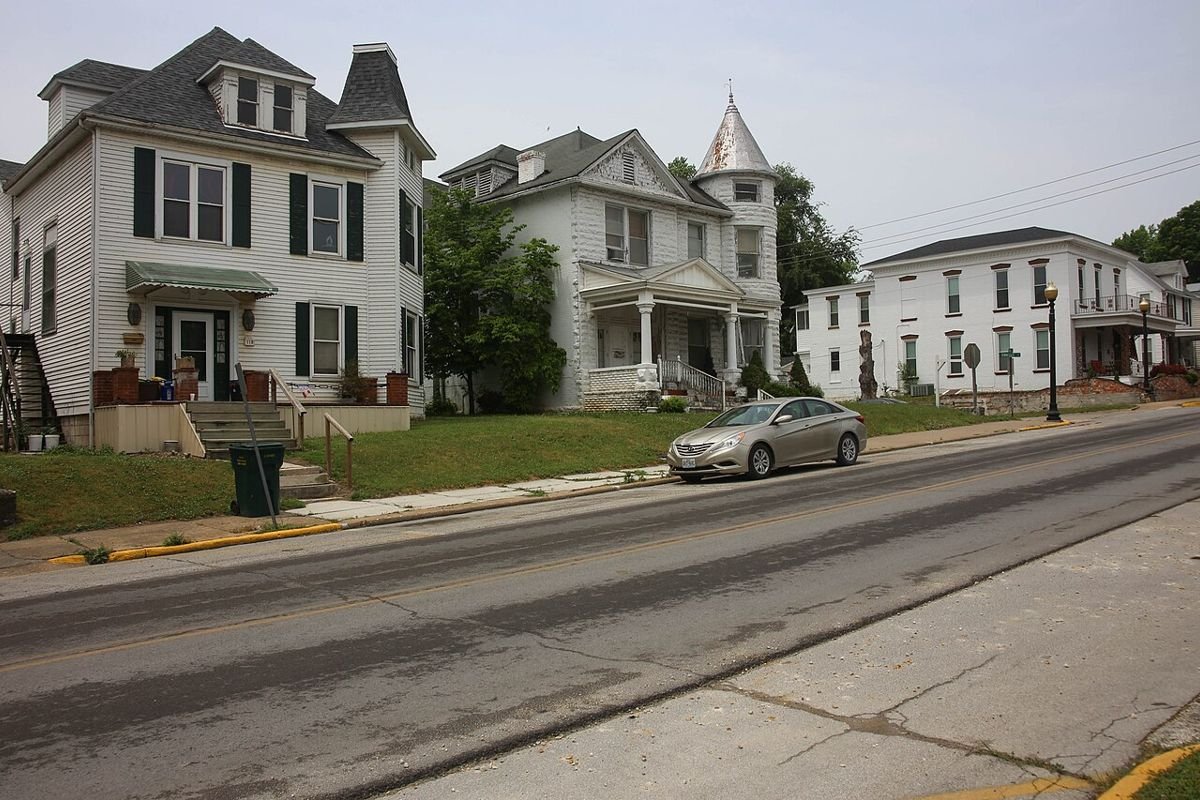
A Mississippi River town where, in the summer of 1972, children and a fire chief said a seven-foot hairy thing with a pumpkin-shaped head walked out of the woods, and a posse went hunting for 'Momo'.
Linked to: Momo, the Missouri Monster
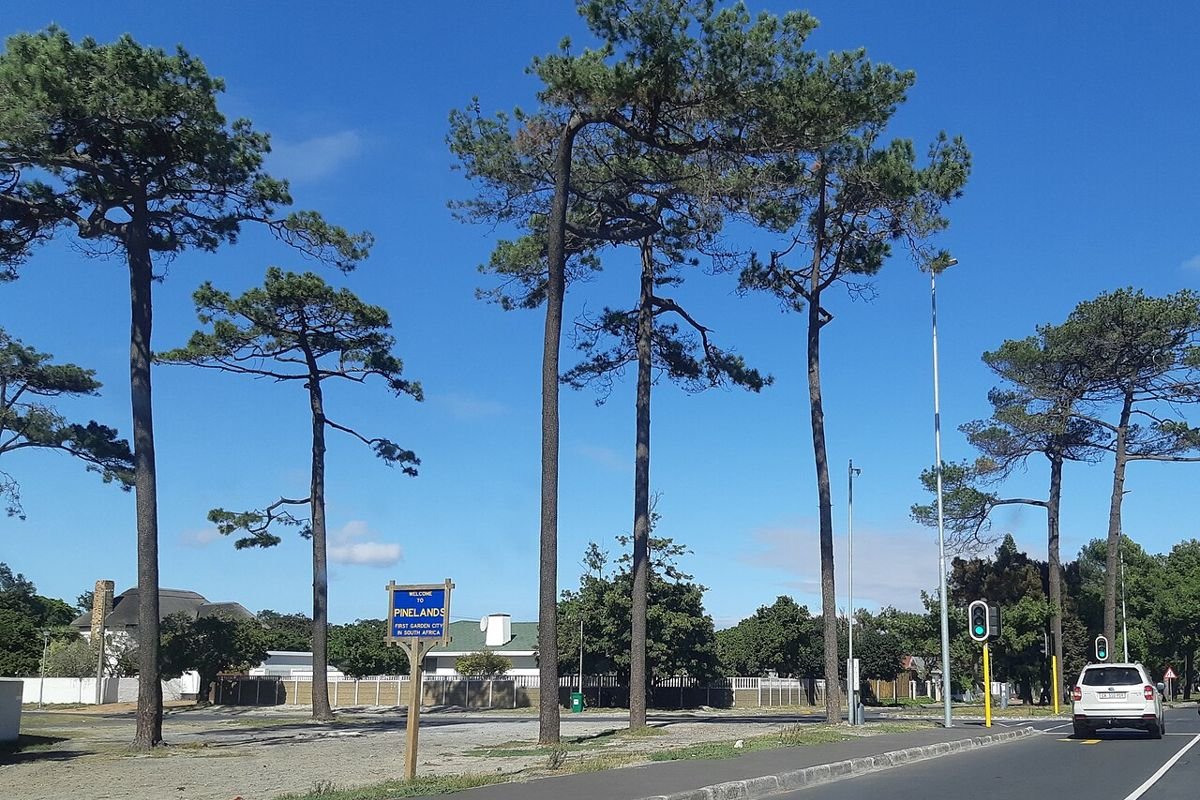
More than a million acres of pine, sand and cedar swamp in the most crowded state in America, and the home, legend says, of a winged devil born at Leeds Point in 1735.
Linked to: Jersey Devil
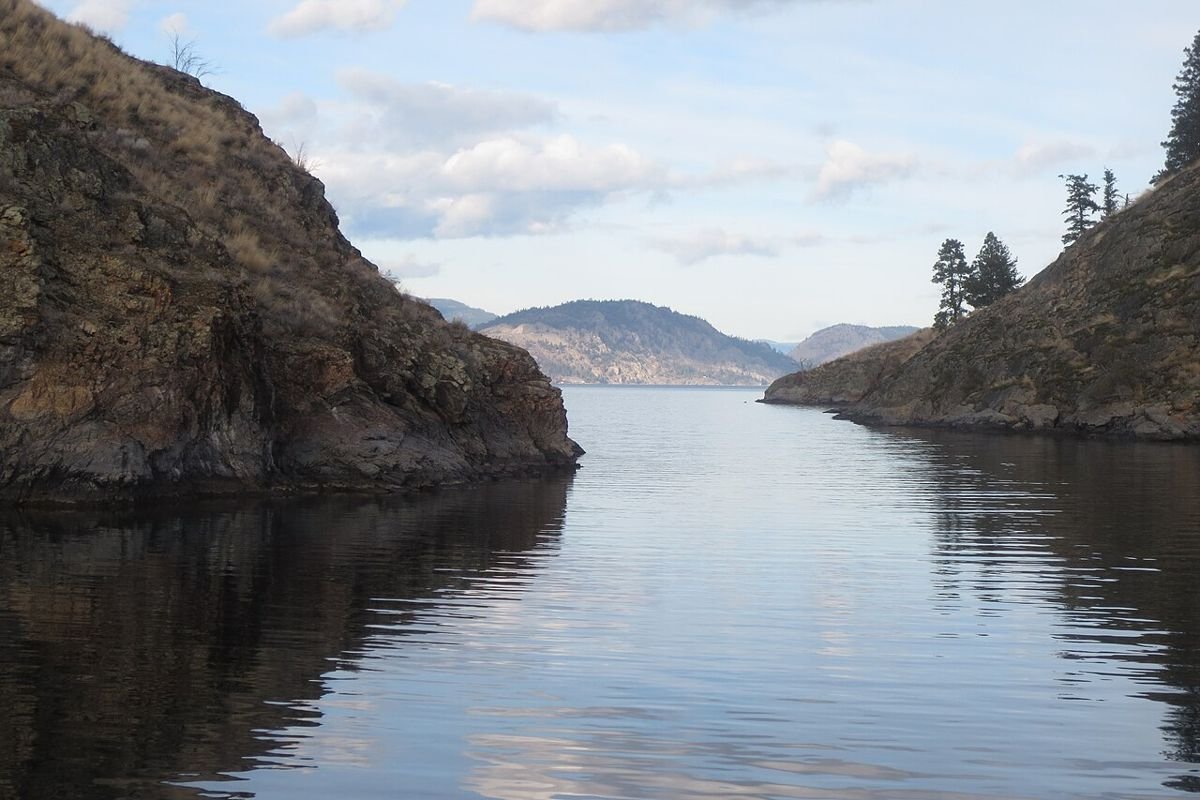
A long, deep lake in British Columbia's wine country where the Syilx people honor a spirit of the water and settlers, tourists and video cameras have chased a serpent called Ogopogo for 150 years.
Linked to: Ogopogo
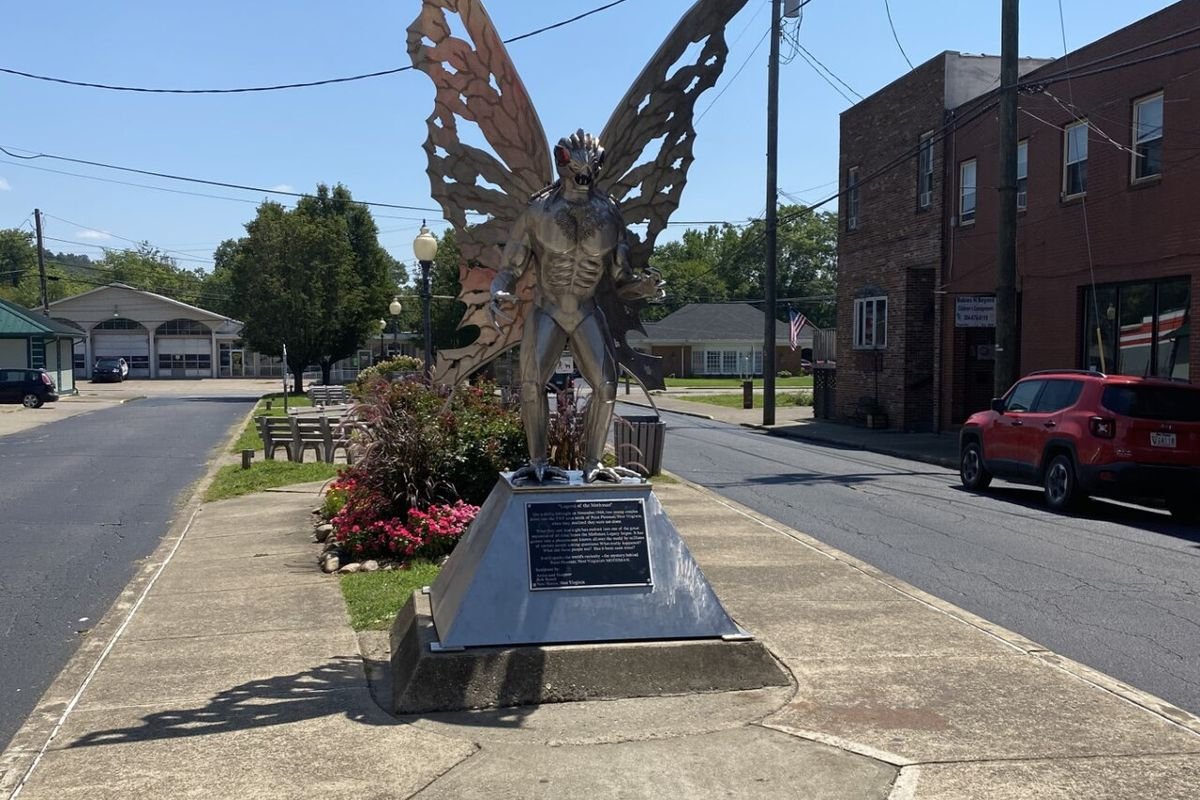
A small river town where, in late 1966, couples, firemen and families described a man-sized winged thing with red eyes, and a year later a bridge fell into the Ohio River.
Linked to: Mothman
A tall railroad bridge over a creek on the edge of Louisville is home to a goat-man legend, and to a real, repeated tragedy: people who go looking for the monster keep getting killed by trains.
Linked to: Pope Lick Monster
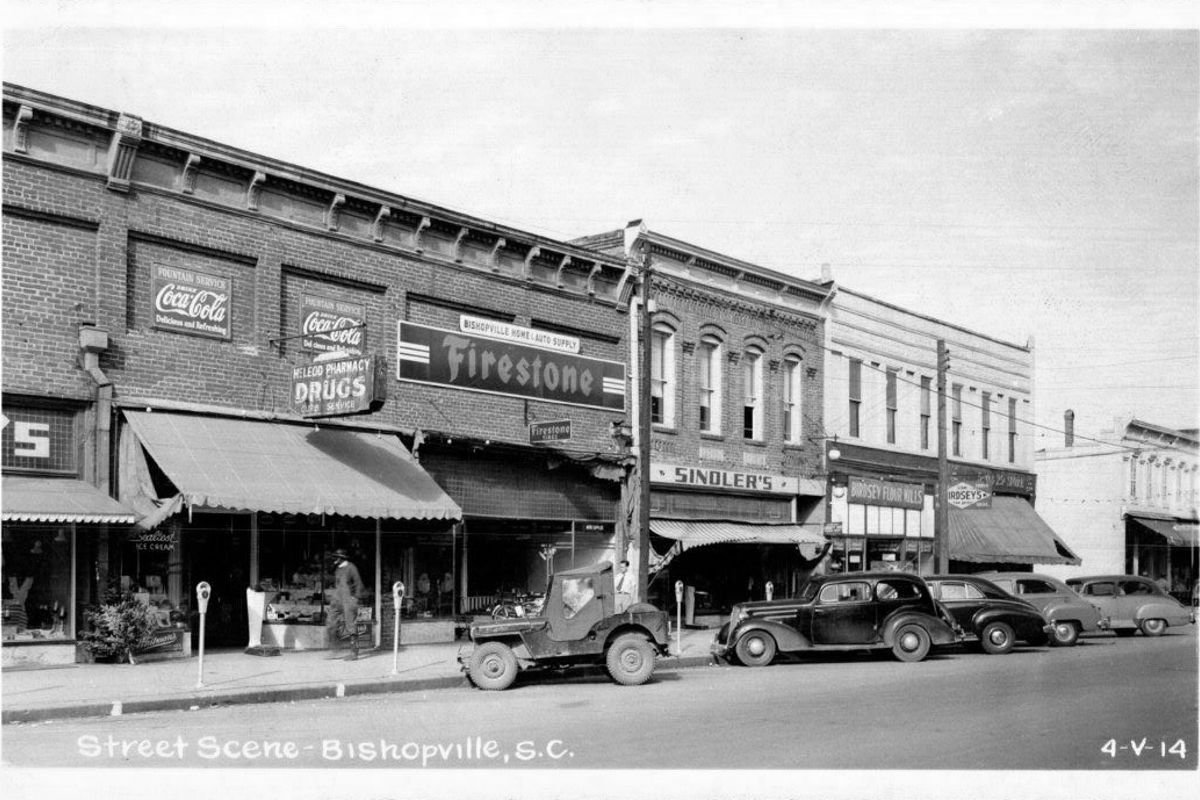
A blackwater swamp in rural South Carolina where, in the summer of 1988, a teenager said a seven-foot green creature with red eyes jumped on his car, and the whole country came looking.
Linked to: Lizard Man of Scape Ore Swamp
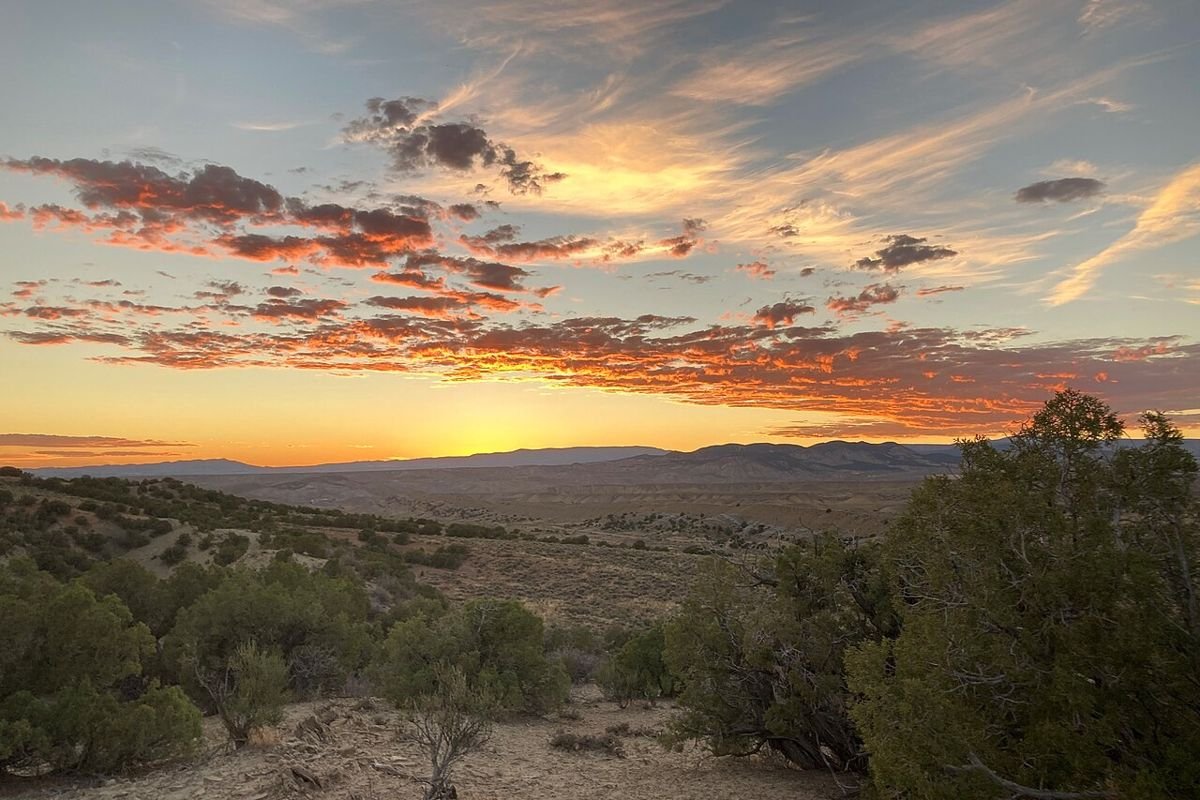
A fenced-off cattle ranch in Utah's Uintah Basin where owners and researchers have reported glowing orbs, vanishing cattle and large, red-eyed animals that bullets did not seem to stop.
Linked to: Skinwalker, Michigan Dogman
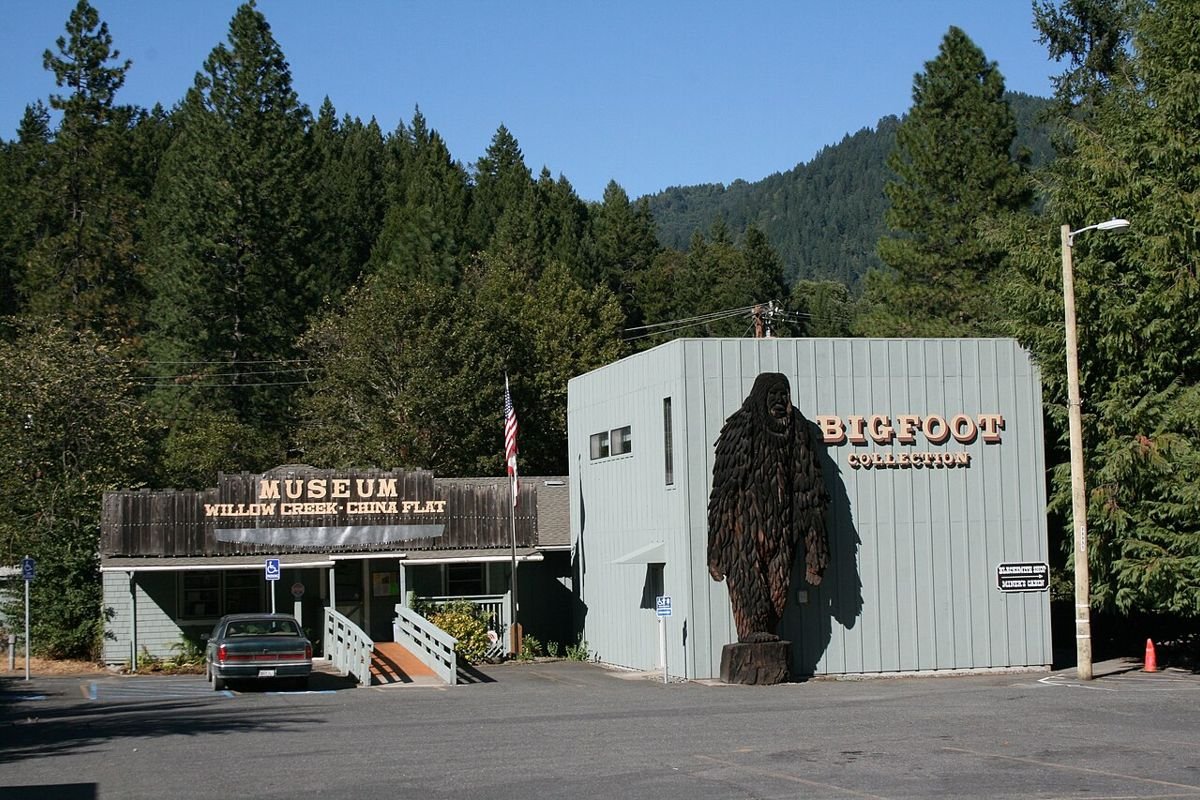
A river town of about 1,700 people in the Trinity River country that calls itself the Bigfoot Capital of the World, and backs it up with a museum, a festival and a highway named for the beast.
Linked to: Bigfoot
19 festivals, 12 museums and 17 cryptid towns and statues, checked for 2026.
Tell us what happened, where and when. You can add a photo. Every report is read before anything is posted, and location data is stripped from photos.
Investigated report Logged and followed up by an investigating group.On the record In a newspaper, police, government or court record, or from a named public witness.Told story Folklore, oral tradition or a story passed along.Proven hoax Proven or confessed hoax.