Overview
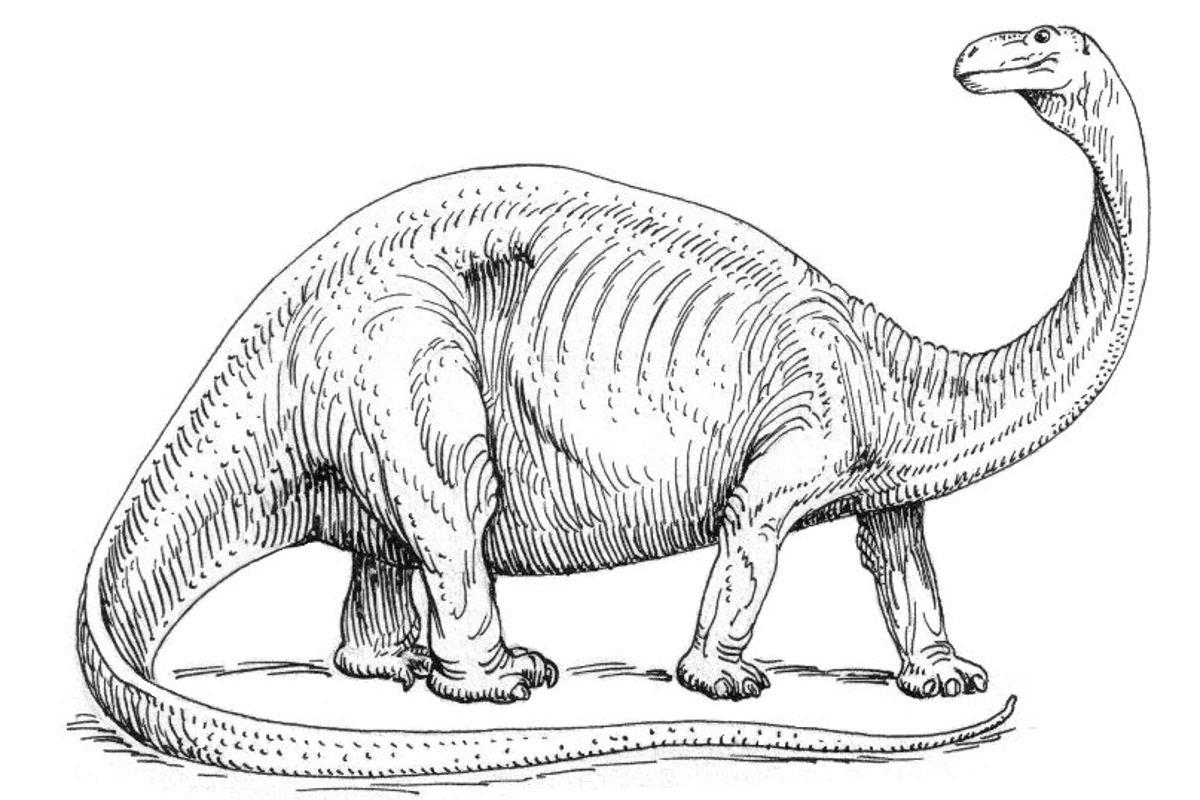
Mokele-mbembe is said to live in the rivers and swamps of the Congo Basin in central Africa, especially the Likouala region of the Republic of the Congo around Lake Tele. Western accounts describe an animal about the size of an elephant or hippo, reddish brown or gray-brown, with a long, flexible neck, a small snake-like head, a long tail and short legs. Some versions add a frill on the head or a single long tooth or horn.
The idea of a surviving sauropod dinosaur came first from the West. In 1909 the animal dealer Carl Hagenbeck wrote that he had heard of a beast that was half elephant, half dragon, and he speculated it might be a dinosaur. In 1913 German officer Ludwig von Stein zu Lausnitz recorded local stories while surveying Cameroon, describing a large, long-necked animal in careful terms.
From 1980 on, a string of expeditions went to the Likouala swamps. Biologist Roy Mackal led two and gathered eyewitness accounts. Others, including Herman Regusters and Congolese biologist Marcellin Agnagna, claimed sightings, photos or film that did not hold up. Later trips, including a 2018 Danish expedition, found no creature.
Skeptics such as Donald Prothero and Daniel Loxton argue the 'dinosaur' is mostly a Western invention, and that the local stories may draw on the memory of rhinoceroses. Supporters say the swamps are vast and hard to search. The truth may involve both real local tradition and outside expectations.
Timeline
- 1909Carl Hagenbeck's Beasts and Men suggests a living dinosaur in Africa.
- 1913Ludwig von Stein zu Lausnitz records local accounts in Cameroon.
- 1980-1981Roy Mackal leads expeditions and interviews witnesses.
- 1981Herman Regusters goes to Lake Tele and claims photos and sound recordings.
- 1983Marcellin Agnagna says he filmed the animal; film fails to develop.
- 1985, 1992William Gibbons leads expeditions.
- 1993Rory Nugent publishes a book with a photo he thought might show the creature.
- 2001BBC crew: Biaka people point to a rhinoceros in a wildlife book.
- 2018Danish expedition to Lake Tele finds no creature but a new green alga.
Reported sightings
Southern Cameroon / Congo river region
1913 Told story
Captain Ludwig von Stein zu Lausnitz, surveying German colonial territory, heard about the animal from guides and other independent sources. He wrote it was brownish-gray, about elephant-sized or at least hippo-sized, with a long, flexible neck and a single long tooth or horn. He did not see it himself, and one later writer said he believed it was folklore.
Source: en.wikipedia.orgLikouala region, Republic of the Congo
1980-1981 Investigated report
Roy Mackal, a biologist with a virology background, and his team interviewed villagers. Witnesses described a snake-like head, a long thin tail, an elephant-sized body, short legs with three claws on the hind feet, reddish-brown color and a frill like a rooster's comb. No physical evidence was found. Mackal published his account in 1987.
Source: en.wikipedia.orgLake Tele, Republic of the Congo
1981 On the record
Herman Regusters traveled to Lake Tele and said his team captured photographs and sound recordings of the animal. The material was never accepted as proof, and even Roy Mackal expressed doubts about the team's claims.
Source: en.wikipedia.orgLake Tele, Republic of the Congo
1983 On the record
Congolese biologist Marcellin Agnagna said he saw and filmed the animal in the lake, but that the film did not develop properly. Critics, including paleontologist Donald Prothero, call his account suspicious because details changed and no other witness backed it up.
Source: en.wikipedia.orgLikouala swamps, Republic of the Congo
1993 On the record
Writer Rory Nugent published Drums Along the Congo with a photograph he suggested might show the creature in the water. Prothero argues it more likely shows a floating log.
Source: en.wikipedia.orgCongo Basin
2001 Investigated report
A BBC documentary team interviewed Biaka people and showed them an illustrated wildlife guide. They pointed to a rhinoceros as the mokele-mbembe. No rhino species is common in the area today, which suggests the legend may preserve a memory of animals once found there.
Source: en.wikipedia.orgLikouala swamp, Republic of the Congo
2016 Told story
A South African documentary crew spent four weeks visiting Aka villages. Some people said the creature was real and living, others that it had died about ten years earlier. The crew found it hard to separate a physical animal from a spiritual one in the stories.
Source: en.wikipedia.orgEvidence
Eyewitness interviews Disputed
Collected by Mackal and others; consistent on some points, but often gathered through translators and leading questions.
Regusters photos and recordings (1981) Disputed
Never accepted as showing an animal.
Agnagna film (1983) Disputed
Reported as failing to develop; no images.
Nugent photograph (1993) Disputed
Likely a floating log, per critics.
Satellite and aerial surveys Explained
These detect elephants and other large animals in the region but no sauropods.
What each side says
What witnesses and researchers report
Supporters note that the Likouala swamps are one of the least explored wetlands on earth, with huge areas of flooded forest. Witnesses in villages far apart describe a large, long-necked water animal, and some accounts include specific details like three-clawed feet.
Researchers such as Roy Mackal argued that a large reptile or other unknown animal could survive there unseen by outsiders.
What skeptics and scientists suggest
Prothero and Loxton argue the 'living dinosaur' idea started with Hagenbeck in 1909 and was shaped by Western excitement over Brontosaurus. They see the reports as a mix of varied stories from widely separated regions, not solid first-hand accounts. Prothero notes that many recent searchers have been creationist ministers rather than wildlife biologists.
The leading natural explanation is the rhinoceros, which once lived in the region and which the Biaka picked out in 2001.
Open questions
- How much of the long-necked description came from the local tradition, and how much from outside questioners with dinosaur books?
- Do the related stories of emela-ntouka and nsanga describe the same thing?
Visiting
Where: Lake Tele and the Likouala swamps, northern Republic of the Congo.
Access: Very remote; reached only by long river and foot travel with local guides and permits. Not a casual trip.
Events: None.
Did you know?
- The 2018 Danish expedition to Lake Tele came back with a new species of green algae.
- Mokele-mbembe appears in films including Baby: Secret of the Lost Legend (1985).