Overview
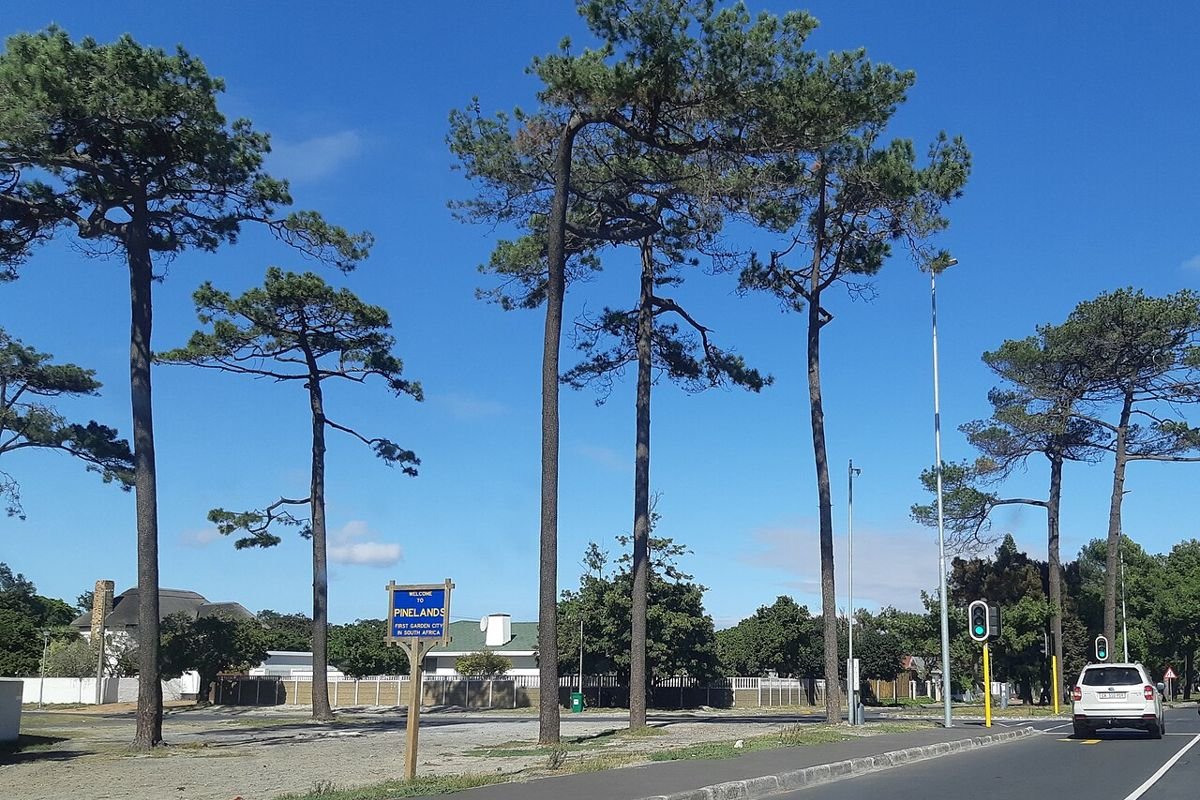
The Pine Barrens, or Pinelands, cover about 1.1 million acres of southern New Jersey across seven counties, roughly a fifth of the state. Scrubby pitch pine forest grows on sandy soil, cut by tea-colored rivers and cedar swamps. Congress made it the nation's first National Reserve in 1978. Old iron, glass and charcoal towns now stand empty in the woods.
This is the home of the Jersey Devil. The best-known version says that in 1735 a woman known as Mother Leeds, at Leeds Point on the edge of the Barrens, cursed her thirteenth child. The baby turned into a winged, clawed, tailed creature and flew up the chimney into the pines. Historian Brian Regal links the legend to the real Leeds family, whose Quaker almanac-maker Daniel Leeds clashed with his neighbors, and whose crest bore a wyvern.
The legend exploded in the week of January 16-23, 1909, when newspapers printed hundreds of reports from across South Jersey and around Philadelphia. People described hoofprints in the snow, a flying beast at Haddon Heights and Camden, and police firing at it in Camden and Bristol, Pennsylvania. Some schools closed and posses searched the woods.
Today the Pine Barrens are public forests, rivers and historic villages, popular for hiking, paddling and camping. The Devil is everywhere in local culture, from souvenir shops to the name of the state's NHL team, the New Jersey Devils.
Visiting
Where: Southern New Jersey. Leeds Point, the legendary birthplace, is in Galloway Township, Atlantic County. Wharton State Forest, northeast of Hammonton, holds Batsto Village, Atsion and the Batona Trail.
Access: State forests are public and open for hiking, paddling and camping (Wharton has ten campgrounds). Leeds Point is a small residential community: do not trespass on private homes looking for 'the Leeds house'. Many forest roads are soft sand that traps ordinary cars; the woods are easy to get lost in, have ticks, and are prone to wildfire, as in the 2022 Mullica River Fire.
Events: No single official festival found; Batsto Village is a restored historic iron town worth a stop.
Timeline
- c. 1700Daniel Leeds, surveyor and almanac publisher, claims the land at Leeds Point.
- 1735Legendary birth of the Leeds Devil.
- c. 1820Joseph Bonaparte, brother of Napoleon, is said to have seen the creature near Bordentown.
- Jan 16-23, 1909A wave of newspaper reports sweeps South Jersey and Philadelphia.
- 1909Publicist Norman Jeffries stages a fake 'Devil' using a kangaroo fitted with claws and wings; he admits it about twenty years later.
- 1951Boys in Gibbstown report seeing the creature.
- 1960Tracks and noises near Mays Landing; Camden merchants offer a $10,000 reward.
- 1978The Pinelands National Reserve is created.
- 1982The NHL's New Jersey Devils take the creature's name.
Reported sightings
Near Bordentown, NJ
c. 1820 Told story
Joseph Bonaparte, the exiled brother of Napoleon, is said to have seen the creature near Bordentown around 1820. The story is told in Jersey Devil lore, but no first-hand record from Bonaparte was found.
Source: en.wikipedia.orgPine Barrens (location not given in sources)
Early 1800s Told story
Naval hero Commodore Stephen Decatur is said to have fired a cannonball at a flying creature, hitting it with no effect. This is a told story with no contemporary record found.
Source: en.wikipedia.orgHaddon Heights, Camden and across South Jersey
Jan 16-23, 1909 On the record
Newspapers reported hundreds of encounters in one week. Accounts told of the creature 'attacking' a trolley car in Haddon Heights and a social club in Camden. Schools closed and vigilante groups hunted through the pines. The Evening Bulletin of Philadelphia printed a drawing of the beast on January 21.
Source: en.wikipedia.orgBristol, Pennsylvania and Camden, NJ
January 1909 On the record
Police in Camden and in Bristol, across the Delaware River, reportedly fired on the creature without effect. These are among the most-repeated incidents of the 1909 wave, recorded in newspaper coverage of the time.
Source: en.wikipedia.orgPhiladelphia (Arch Street Museum)
1909 Proven hoax
Norman Jeffries, a publicist for Philadelphia's Arch Street Museum, bought a kangaroo, glued on fake claws and bat wings, and displayed it as the captured Devil. He admitted the stunt about twenty years later.
Source: en.wikipedia.orgGibbstown, NJ
1951 On the record
A group of boys in Gibbstown reported seeing the Jersey Devil, renewing interest in the legend more than forty years after the 1909 wave.
Source: en.wikipedia.orgNear Mays Landing, NJ
1960 On the record
Tracks and strange noises were reported near Mays Landing. The same year, merchants around Camden offered a $10,000 reward for the creature's capture.
Source: en.wikipedia.orgEvidence
1909 hoofprints and reports Unexplained
Hundreds of newspaper accounts in one week; no specimen or photograph.
1909 kangaroo exhibit Proven hoax
A museum publicity stunt with a costumed kangaroo, later admitted.
What each side says
What witnesses and researchers report
People who take the Devil seriously point to the sheer number of reports during January 1909, from police officers and ordinary citizens across many towns, all in one week.
They add that the Pine Barrens are still large, wild and hard to search, and that reports of strange screams and tracks have continued in later decades.
What skeptics and scientists suggest
Historian Brian Regal argues that the legend grew out of political and religious hostility toward the Leeds family, whose almanacs rivaled Benjamin Franklin's, and that their wyvern crest shaped the Devil's look.
Skeptics see the 1909 wave as a newspaper-driven panic, helped along by deliberate hoaxes such as the kangaroo exhibit, with real animal tracks and noises read as the Devil's.
Open questions
- What made the hoofprints reported across South Jersey in January 1909?
- When was the Leeds story first written down?
Did you know?
- Benjamin Franklin jokingly 'predicted' the death of rival almanac-maker Titan Leeds, Daniel's son, then claimed Leeds had come back as a ghost.
- The Leeds family crest showed a wyvern, a winged dragon.