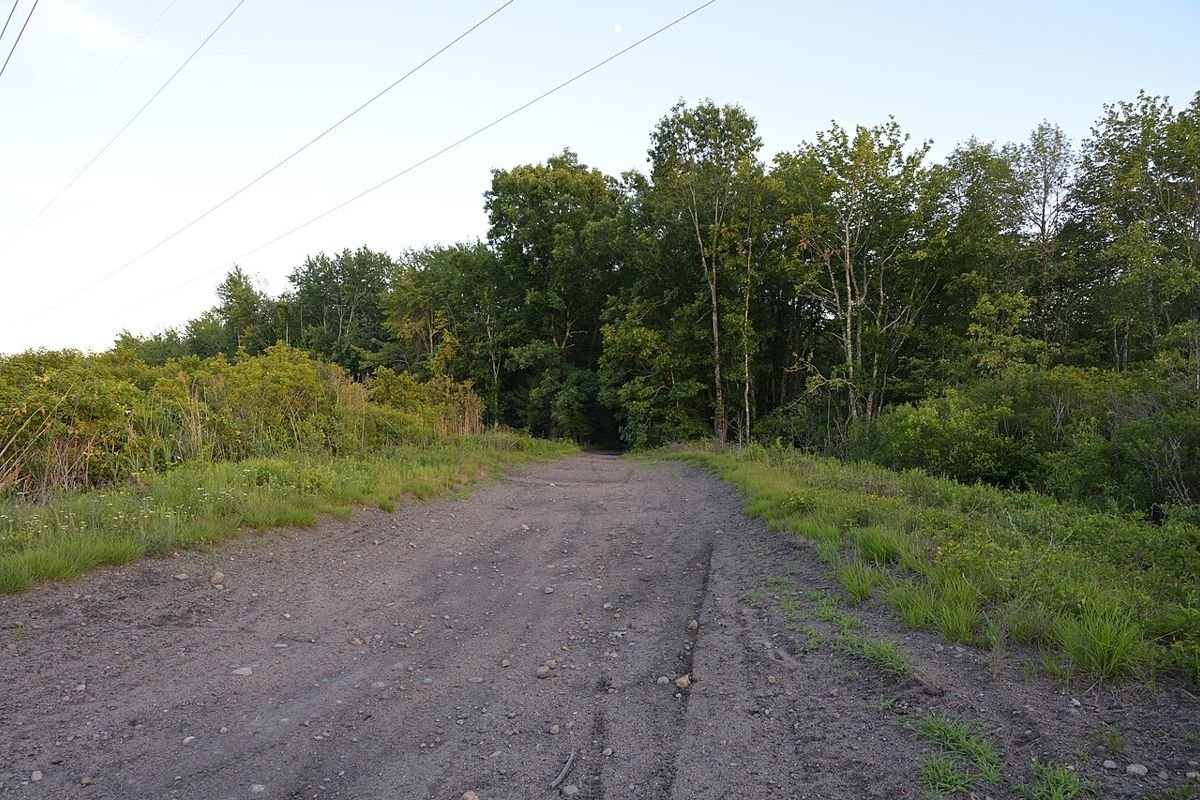
Overview
The Bridgewater Triangle is an area of about 200 square miles in southeastern Massachusetts, between Boston and the Rhode Island line. It was named by cryptozoologist Loren Coleman in the 1970s, who later laid out its borders in his book Mysterious America. Inside it lie towns such as Bridgewater, Taunton, Norton and Freetown, and two large wild areas: the Hockomock Swamp and the Freetown-Fall River State Forest.
The Hockomock Swamp, at nearly 17,000 acres, is the largest freshwater swamp in Massachusetts. Its Algonquian name is often translated as 'place where spirits dwell'. Archaeologists have found evidence of people living along its rivers for thousands of years. Today about 5,000 acres are a state wildlife management area.
Over the years, the Triangle has gathered nearly every kind of strange report: UFOs, Bigfoot-like figures, giant snakes, thunderbirds with wingspans said to reach 12 feet, animal mutilations, ghosts and poltergeists. A Norton police sergeant, Thomas Downy, is among those credited with a giant-bird report. Wampanoag tradition in the region speaks of Pukwudgies, small and dangerous trickster beings.
The Freetown-Fall River State Forest, on the Triangle's southern side, adds a darker layer of real crime: a 1978 murder, reports of cult activity around 1980, and later homicides and assaults. Researchers who study the area say it is the mix of wild land, history and grim news that keeps the Triangle's reputation alive.
Visiting
Where: Southeastern Massachusetts, roughly between Abington, Rehoboth and Freetown. Key public lands: the Hockomock Swamp Wildlife Management Area and the Freetown-Fall River State Forest (with Profile Rock).
Access: The wildlife area allows hunting, fishing, boating and nature study, so wear blaze orange in hunting season. The state forest has 50+ miles of unpaved roads and trails. The forest includes a 227-acre Pocasset Wampanoag reservation, which is not public land. Visit in daylight and in groups: the forest has a history of real crimes, illegal dumping and, in 2016, wires strung across trails.
Events: No official festival found. The 2021 audio-drama podcast Bridgewater is a popular introduction.
Timeline
- 8600-400 years before presentNative peoples live and hunt along the Hockomock's rivers (Titicut site).
- 1970sLoren Coleman coins the name 'Bridgewater Triangle'.
- 1978Murder victim Mary Lou Arruda is found in the Freetown-Fall River State Forest.
- 1980Reports of alleged cult activity in the Freetown forest.
- 1990The Hockomock Swamp is designated an Area of Critical Environmental Concern.
- 1998Two cattle mutilation cases are reported in the Freetown area.
- 2021The audio-drama podcast Bridgewater brings the Triangle to new listeners.
Reported sightings
Norton, MA
Undated (often given as early 1970s) On the record
Norton Police Sergeant Thomas Downy is credited with reporting a giant bird, one of the thunderbird accounts tied to the Triangle. Reports from the area describe birds with wingspans of up to 12 feet. The exact date and spot of Downy's sighting were not confirmed in sources opened for this dossier.
Source: en.wikipedia.orgHockomock Swamp
Undated Told story
The Triangle is known for reports of large, hairy, upright figures in and around the Hockomock Swamp, which researchers file alongside Bigfoot reports. Dated, named accounts were not found in sources opened for this dossier.
Source: en.wikipedia.orgSoutheastern Massachusetts
Traditional Told story
In Wampanoag and wider Algonquian tradition, Pukwudgies are small, dangerous trickster beings. Modern Triangle lore links them to the region and to unrest dating back to King Philip's War, including a story of a lost wampum belt. These are living traditions and are retold here only in outline.
Source: en.wikipedia.orgFreetown area
1998 On the record
Two animal mutilation cases were reported: an adult cow found butchered in the woods, and a group of calves found dead in a clearing. These incidents fed the Triangle's reputation, though they were never tied to anything unexplained.
Source: en.wikipedia.orgBridgewater Triangle
Undated Told story
Reports of unusually large snakes in the swamps are part of the Triangle's catalogue of oddities, along with UFOs and phantom animals. Sources opened for this dossier list them generally rather than as specific dated cases.
Source: en.wikipedia.orgEvidence
1998 cattle mutilations Unexplained
Reported cases of butchered cattle and dead calves near Freetown.
Police thunderbird report Unexplained
A report credited to a Norton police sergeant.
What each side says
What witnesses and researchers report
Supporters of the Triangle's reputation point to the number and variety of reports in one small area, some from police officers, and to the Hockomock's long history as a place Native people regarded as spiritually powerful.
Researchers like Loren Coleman argue that such 'window areas' seem to attract many types of strange reports at once, which they see as worth studying in itself.
What skeptics and scientists suggest
Skeptics note that the Triangle's borders were drawn by a researcher after the fact, so any odd event within them gets counted while events outside are ignored. Large swamps and forests near dense suburbs naturally produce unusual animal sightings and crime news.
Big birds such as herons, escaped exotic snakes and large dogs or bears are offered as explanations for many creature reports, and the cattle mutilations and crimes have human explanations.
Open questions
- When exactly did the Norton thunderbird sighting happen?
- Do reports cluster in the Hockomock, or are they spread evenly across the Triangle?
Did you know?
- Profile Rock in the Freetown forest is said by Native people to show the face of the sachem Massasoit.
- At least 13 endangered species live in the Hockomock Swamp, including Blanding's turtles.